News
FRElectric or Petrol/Diesel: What Does France's Roadworthiness Test Say?
Published 22 August 2026 · 5 min read
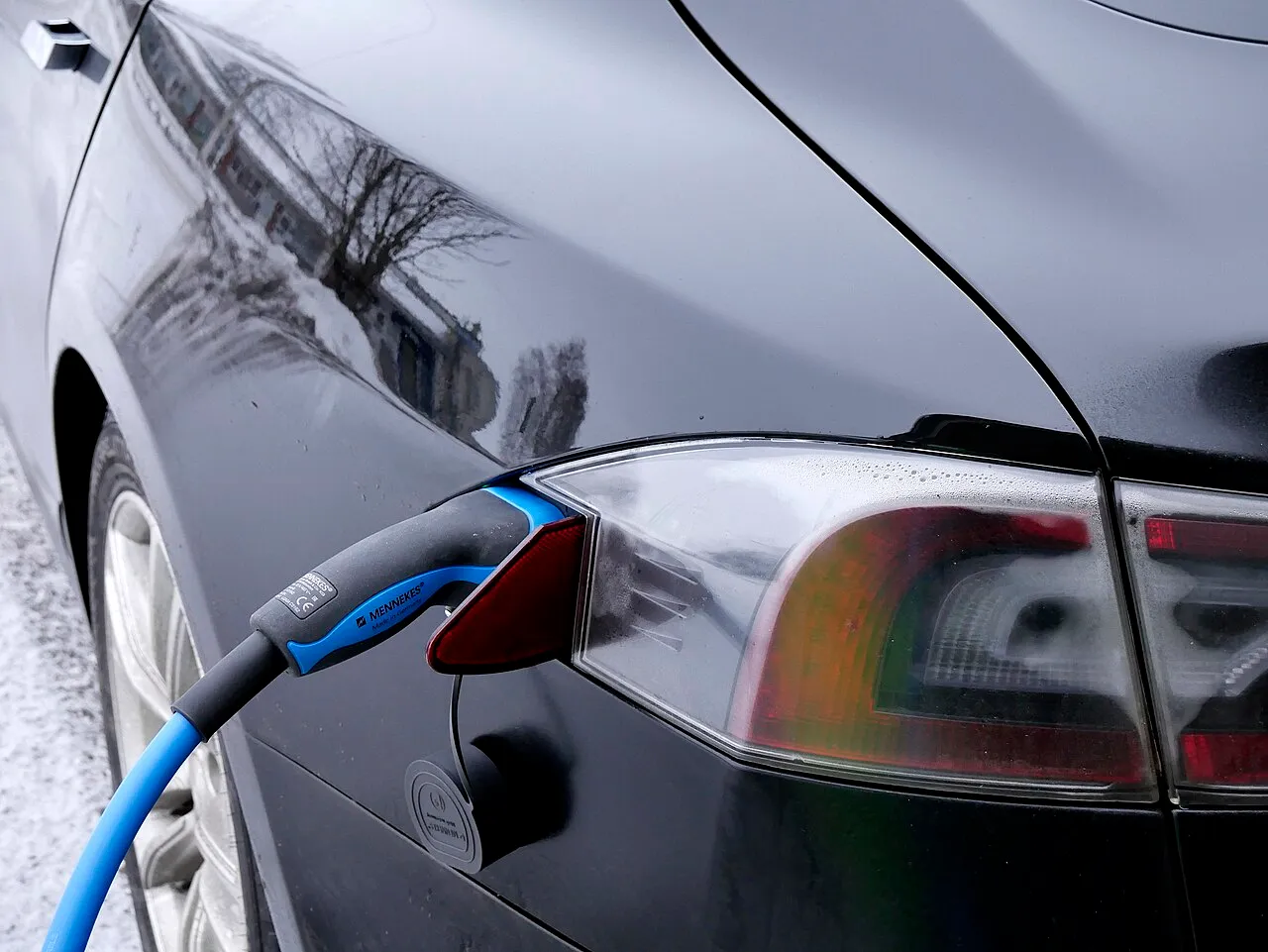
A study published by ADAC, Germany’s largest motoring organisation, claims that electric cars break down markedly less often than petrol or diesel ones: 4.2 breakdowns per 1,000 electric vehicles against 10.4 for combustion-engined ones, over 2020-2022. It’s a conclusion that’s already made the rounds of the French motoring press. But that study measures breakdowns and roadside call-outs recorded in Germany — a different metric from France’s roadworthiness test. Here’s what the official UTAC-OTC data shows, for its part.
What France’s roadworthiness test shows
Of the 530 vehicle families tracked on this site, only three are electric, in the strict sense used here (motor confirmed as 100% electric, hybrids and plug-in hybrids excluded):
| Model | Retest rate | Volume tested |
|---|---|---|
| Dacia Spring | 2.86% | 7,995 tests |
| Renault Zoé | 7.50% | 71,297 tests |
| Tesla Model 3 | 23.59% | 21,683 tests |
(Model pages in French.) For reference: the average retest rate in France, across all vehicles, is 18.94%.
Weighted by test volume, the average across the three electric models works out at 10.59%, against 22.62% for the volume-weighted average of the 527 combustion-engined families in the same dataset — a gap that, at first glance, points the same way as the ADAC study.
A mixed picture, not a clear verdict
It would be misleading to stop at the overall average, though. The model-by-model detail tells a less straightforward story:
- The Dacia Spring and Renault Zoé post rates well below the national average — consistent with the idea of a mechanically simpler electric powertrain, with fewer wear parts subject to testing.
- The Tesla Model 3, by contrast, posts a rate of 23.59%, above the national average of 18.94%.
- The reason the weighted electric average stays low is essentially that the Zoé — ranked worse than the Spring, but tested three times as often as the Tesla — carries a lot of weight in the calculation. The three models don’t all point the same way; the average hides this disparity more than it summarises it.
A statistical caveat: three families out of 530 represent barely 0.57% of the total test volume analysed on this site. That’s a tiny sample compared with the hundreds of thousands of vehicles covered by the ADAC study, and it doesn’t support generalising to the whole “electric vehicle” category. The French roadworthiness-test data neither clearly confirms nor refutes the German conclusion: mostly, it shows that with the electric fleet still small on French roads, each individual model carries much more weight than in the combustion-engine comparison, where the averaging effect smooths out differences between models more.
Two different measures, not two contradictory results
The roadworthiness test assesses safety (braking, suspension & steering, emissions, lighting) at a single point in time, not the breakdown frequency in everyday use measured by a roadside-assistance body like ADAC. The two angles are complementary rather than contradictory: see the methodology page (in French) for the detail of what the roadworthiness test measures — and doesn’t measure.
See the detail by model
Every electric model page on the site shows its own specific checkpoints: the maintenance section automatically excludes items specific to combustion engines, such as the timing belt or clutch, keeping only what genuinely applies to an electric powertrain (braking, suspension & steering, electrics). Full detail on the Dacia Spring, Renault Zoé and Tesla Model 3 pages (in French).
Source data: UTAC-OTC (France’s roadworthiness test, 2025), ADAC for the German figures cited in the introduction. Full methodology on the methodology page (in French).
— Also worth reading