Barometers & Studies
FRIs Renault Reliable? What the Official Data Shows
Published 6 September 2026 · 6 min read
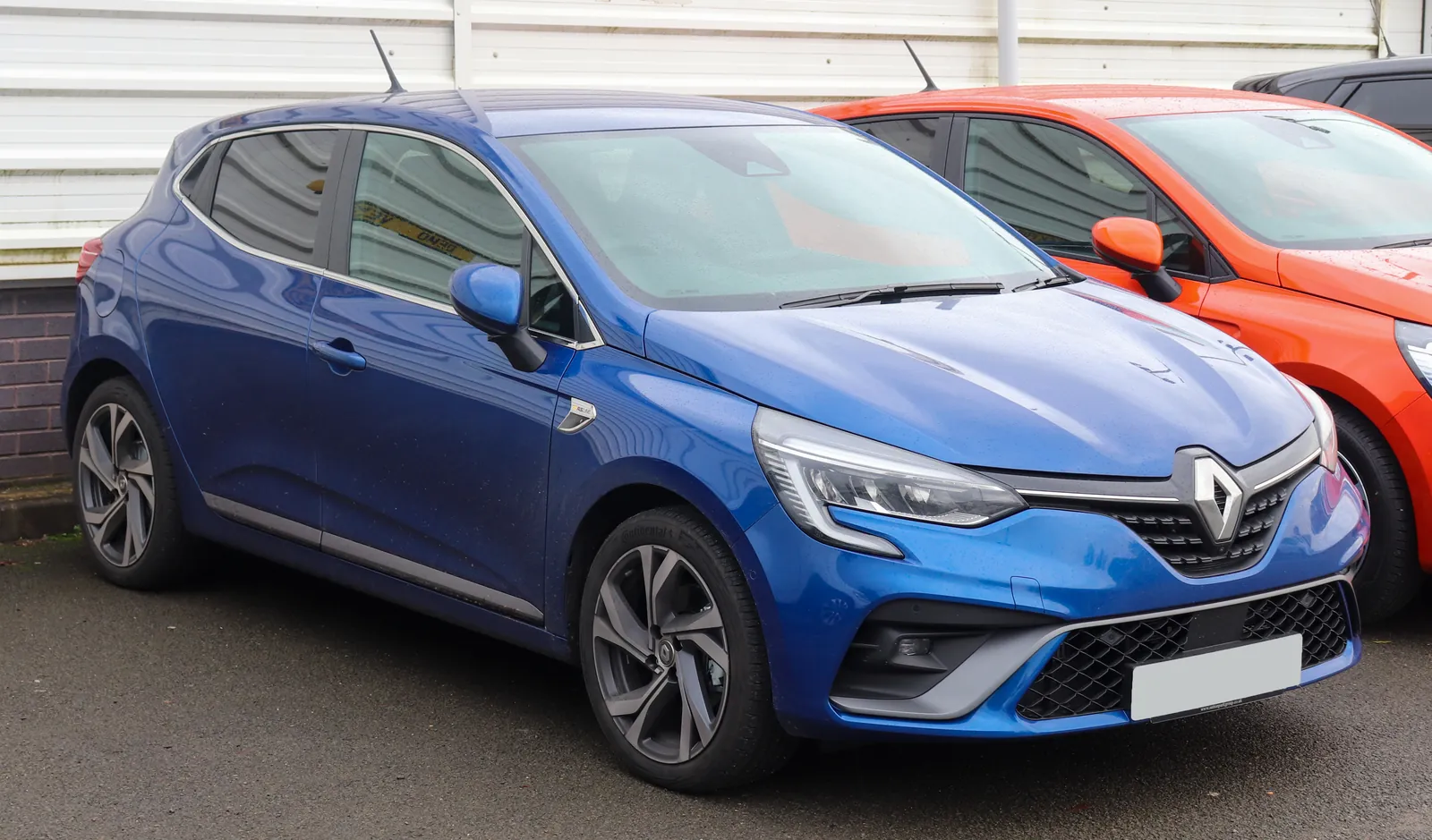
Renault is France’s best-selling car brand, with one of the widest model ranges on the market — from the low-cost city car to the van, by way of the people carrier and the family SUV. Such a wide range can also mean bigger reliability gaps than a more specialised brand shows. Here’s what the official roadworthiness test data reveals, model by model.
Renault against the other mainstream brands
Out of the 38 brands tracked on this site, Renault ranks 33rd, with a weighted average retest rate of 24.91% across the 40 models tracked (3,811,048 tests represented) — the widest range on the site, well ahead of Peugeot (36 families) or Volkswagen (32). That’s well above the national reference rate (18.94% across all models, see the 2025 barometer), and Renault trails most of the other mainstream brands already covered on this site: Dacia (16.78%, 10th), Citroën (19.16%, 18th), Toyota (20.92%, 22nd), Ford (23.17%, 27th) and Volkswagen (23.44%, 28th) all do better. Only Peugeot (25.55%, 35th) and Opel (26.42%, 37th) rank behind.
With 40 families tracked, this is the largest sample of any manufacturer on the site — no statistical caveat needed here, unlike brands with a narrower range. The sample is also solid for the models cited below, from the smallest (Safrane, 4,092 tests) to the largest (Clio IV, 478,927 tests).
The full ranking, model by model
Here are the 40 Renault families tracked, ranked from most to least reliable by retest rate:
| Model | Retest rate | National rank (/530) |
|---|---|---|
| Twingo I | 5.16% | 27 |
| Kangoo I | 5.22% | 31 |
| Captur II | 6.39% | 54 |
| Koleos I | 7.07% | 65 |
| Scénic I | 7.46% | 71 |
| Zoé | 7.50% | 73 |
| Captur I | 9.60% | 109 |
| Safrane | 9.97% | 112 |
| Modus | 11.10% | 137 |
| Clio V | 14.36% | 182 |
| R5 II (Supercinq) | 16.20% | 201 |
| Talisman | 17.32% | 218 |
| Twingo III | 19.25% | 250 |
| Scénic IV | 19.30% | 251 |
| R19 | 23.27% | 298 |
| Mégane IV | 23.51% | 302 |
| Koleos II | 25.91% | 349 |
| R4 I | 26.53% | 358 |
| Clio IV | 26.56% | 360 |
| Kadjar | 26.81% | 364 |
| Espace V | 30.04% | 409 |
| Twingo II | 30.79% | 417 |
| Trafic III | 31.05% | 418 |
| Arkana | 31.59% | 433 |
| Master II | 31.83% | 438 |
| Mégane II | 32.10% | 445 |
| Mégane I | 32.10% | 446 |
| Laguna I | 32.66% | 461 |
| Laguna II | 32.66% | 460 |
| Clio III (Clio III / Thalia II / Symbol II) | 32.80% | 462 |
| Kangoo II | 33.15% | 474 |
| Laguna III | 33.22% | 475 |
| Scénic II | 34.11% | 486 |
| Scénic III | 34.11% | 485 |
| Espace IV | 34.98% | 497 |
| Espace III | 34.98% | 498 |
| Mégane III | 35.06% | 499 |
| Clio II (Clio II / Thalia I / Symbol I) | 35.69% | 504 |
| Clio I | 35.69% | 505 |
| Trafic II | 37.12% | 520 |
The gap is considerable: the Twingo I climbs to 27th place nationally out of 530 models tracked — an outstanding result — while the Trafic II finishes 520th, among the weakest in the overall ranking, more than 32 points behind. A pattern emerges: the newest model in each line-up generally outperforms its predecessors — the Trafic III (31.05%) comfortably beats the Trafic II (37.12%), the Clio V (14.36%) beats the Clio I to IV by a wide margin (26.56% to 35.69%), and the same pattern repeats for the Twingo, Mégane and Scénic. The bottom of the table is occupied almost entirely by older or discontinued generations (Laguna, Espace III/IV, Clio I to III, Mégane I to III).
One notable exception: the R5 II (Supercinq), sold until 1996, ranks 201st at 16.20% — better than much newer models such as the Clio IV. A result to read with caution: only particularly well-maintained examples of a car this old are still on the road and turning up for testing today — a selection effect that has nothing to do with superior design reliability.
Manufacturer recalls
RappelConso lists 40 distinct notices concerning the Renault models tracked on this site, published between 2018 and 2026. Counted using the same method as our recalls-per-brand ranking (a recall counts once per family it affects), that comes to 92 recalls cumulated across the 40 Renault families tracked.
The Captur II is the most affected family (10 notices), followed by the Zoé (7 notices, mostly linked to battery fire risks between 2018 and 2024), then the Master II, Captur I and Clio V (6 each). Two recent notices, published in early 2026, illustrate the “shared platform” logic of manufacturer recalls well: they simultaneously cover the Captur II, Mégane, Espace VI, Master IV, Scénic, Austral and Symbioz, for the same electric parking-brake sensor positioning fault. As with other brands, a recall doesn’t mean a widespread defect across every unit of a model — but their frequency gives a useful complement to the retest rate, which doesn’t cover this type of defect (often caught and fixed before the roadworthiness test).
Renault seen from abroad
Fourteen Renault families are part of this site’s international comparison pilot: the five Clio generations, the three Twingos, the four Méganes and the two Capturs, all mapped with high confidence to British (DVSA) and Dutch (RDW) data.
One finding holds across all 14 mapped generations: in the UK, the single most common test failure is consistently the same — insufficient tyre tread depth, ranging from 9.3% (Captur II) to 21.4% (Mégane II) of tests depending on the generation. In the Netherlands, the top defect varies more: number plate lighting for the Clio and Twingo, tyre wear for the Mégane, tyre pressure for the Captur. Our dedicated international comparison covers the full figures for the Clio IV and Clio V against their British and Dutch equivalents. Generation-by-generation detail is available on the Renault UK and Netherlands pages (in French).
What this means for a purchase
The retest rate measures compliance with the safety points checked, not overall mechanical reliability — see the full methodology page (in French). On this specific measure, Renault sits in the lower half of the mainstream brands, but with a range so wide that the brand average masks considerable gaps: a Twingo I or a Clio V near the top of the national ranking, a Trafic II or a Clio I well below it. The brand’s overall reputation therefore matters less, for a purchase, than the specific model and generation in question. Full detail for each family, including running costs, is available on its dedicated page (in French).
Source data: UTAC-OTC (French roadworthiness test, 2025), RappelConso (data.gouv.fr). Full methodology on the methodology page (in French).
— Also worth reading
Barometers & Studies
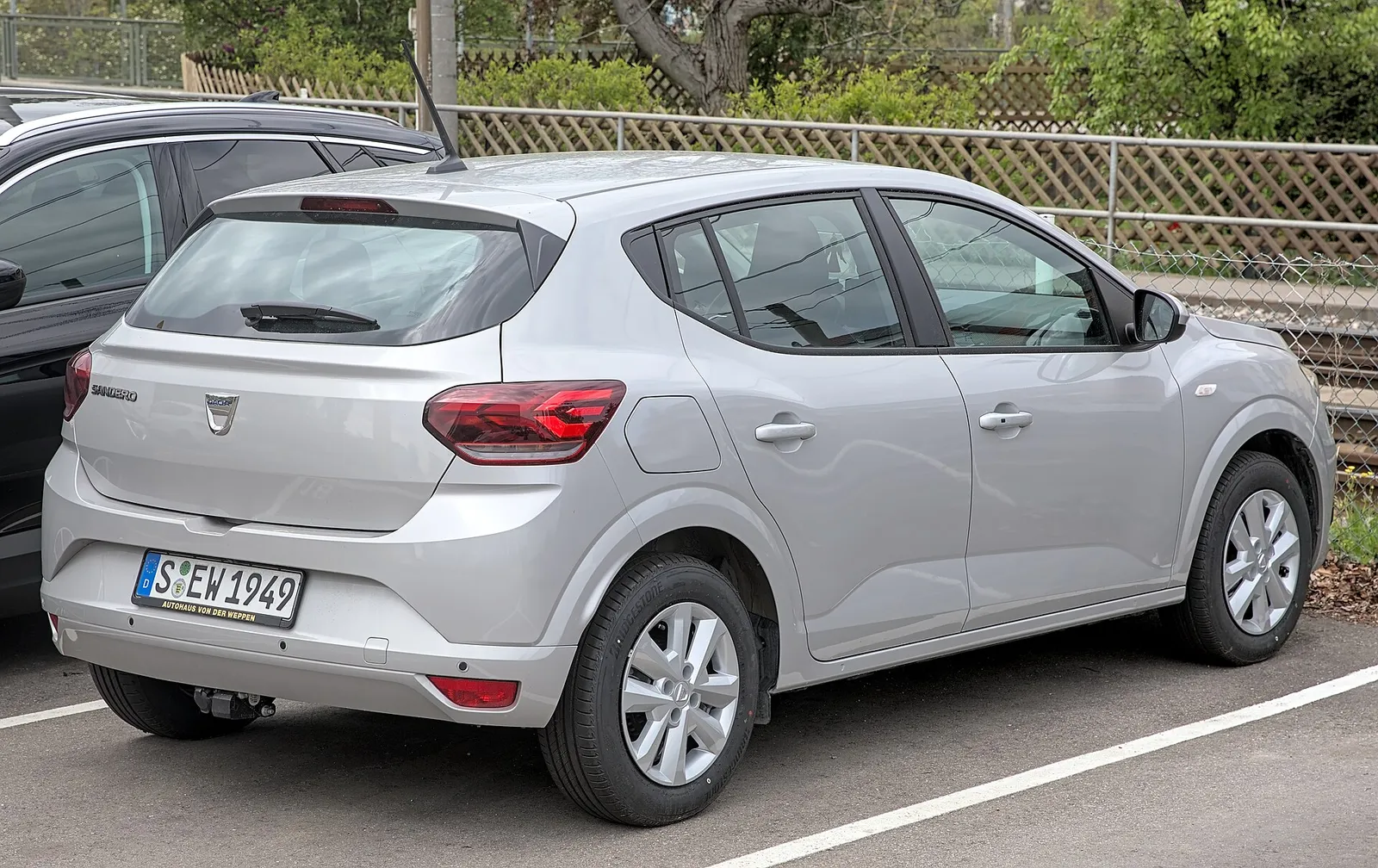
Dacia: Is a Budget Car Less Reliable? What the Roadworthiness Test Shows
Sandero, Duster, Logan... What does France's official UTAC-OTC data say about Dacia? Retest rates by model, comparison and recalls.
16 October 2026 · 6 min read
Barometers & Studies
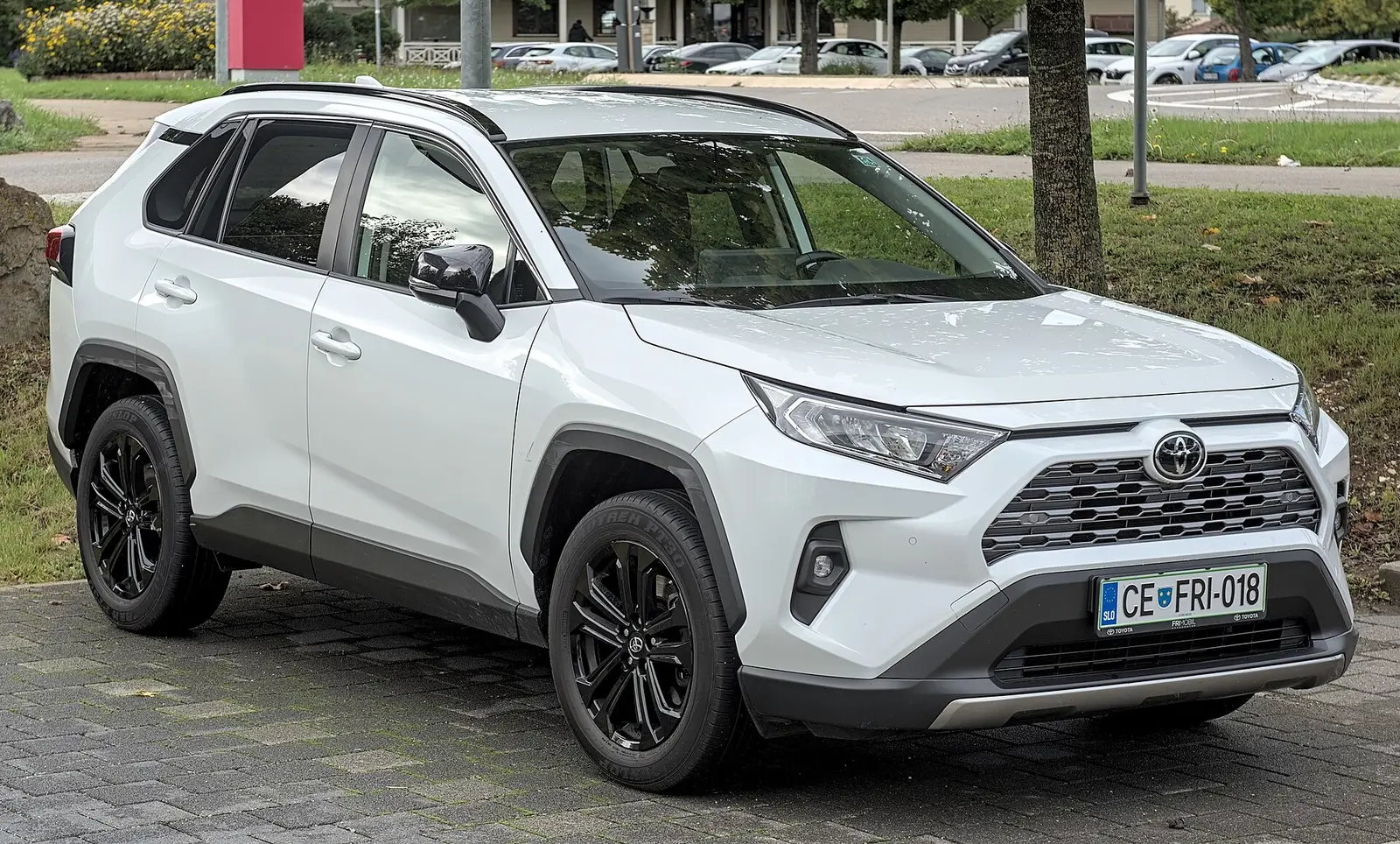
Toyota: Does Its Reliability Reputation Hold Up at the Roadworthiness Test?
What does France's official UTAC-OTC data say about Toyota? Retest rates by model, comparison with other brands, and recalls.
10 October 2026 · 6 min read
Barometers & Studies
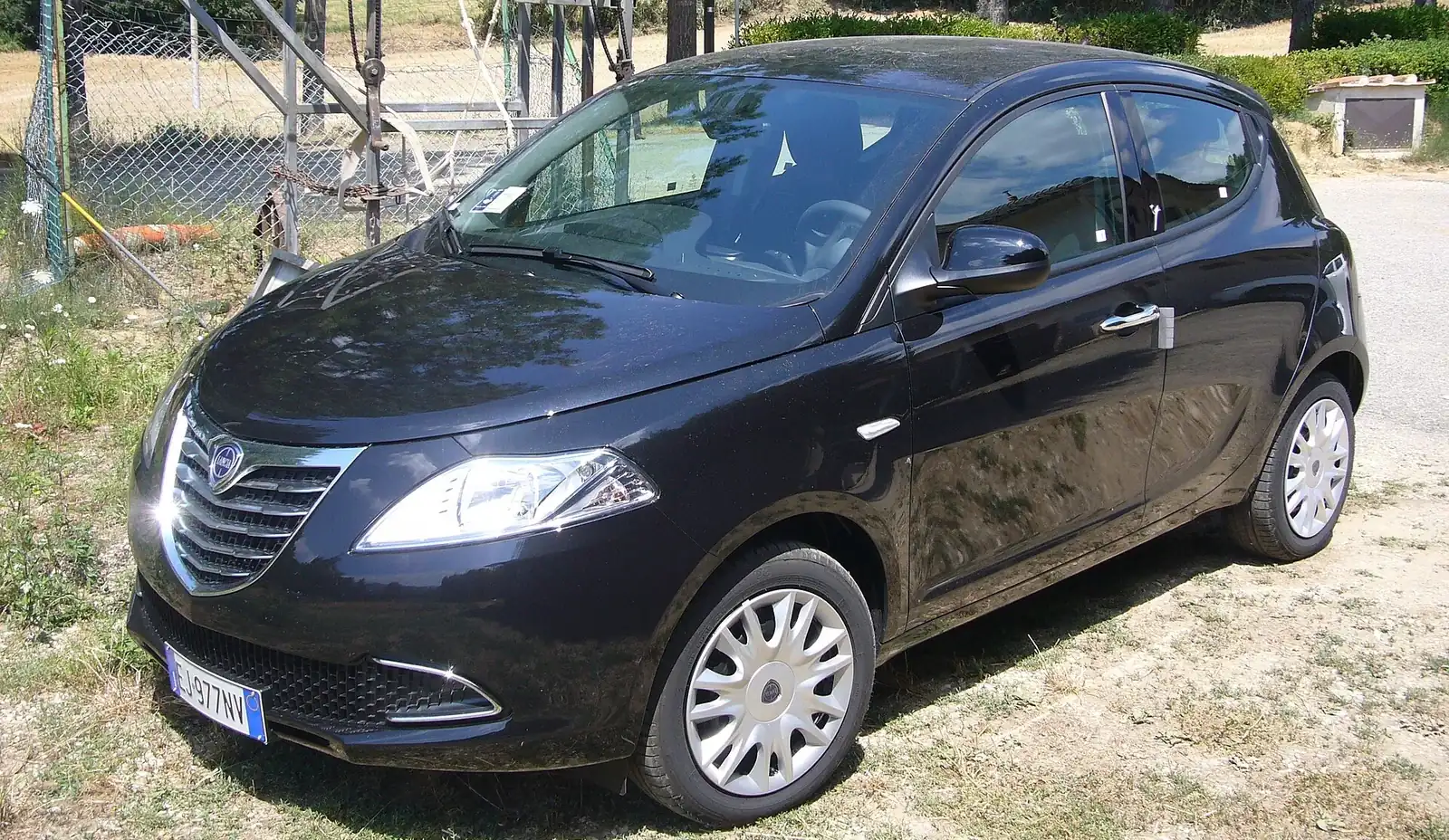
Lancia: What Do the APK and Roadworthiness Test Data Show?
A rare sight in France these days, Lancia is still on the road in the Netherlands. APK pass rates and French data, model by model.
4 October 2026 · 4 min read