Barometers & Studies
FRDacia: Is a Budget Car Less Reliable? What the Roadworthiness Test Shows
Published 16 October 2026 · 6 min read
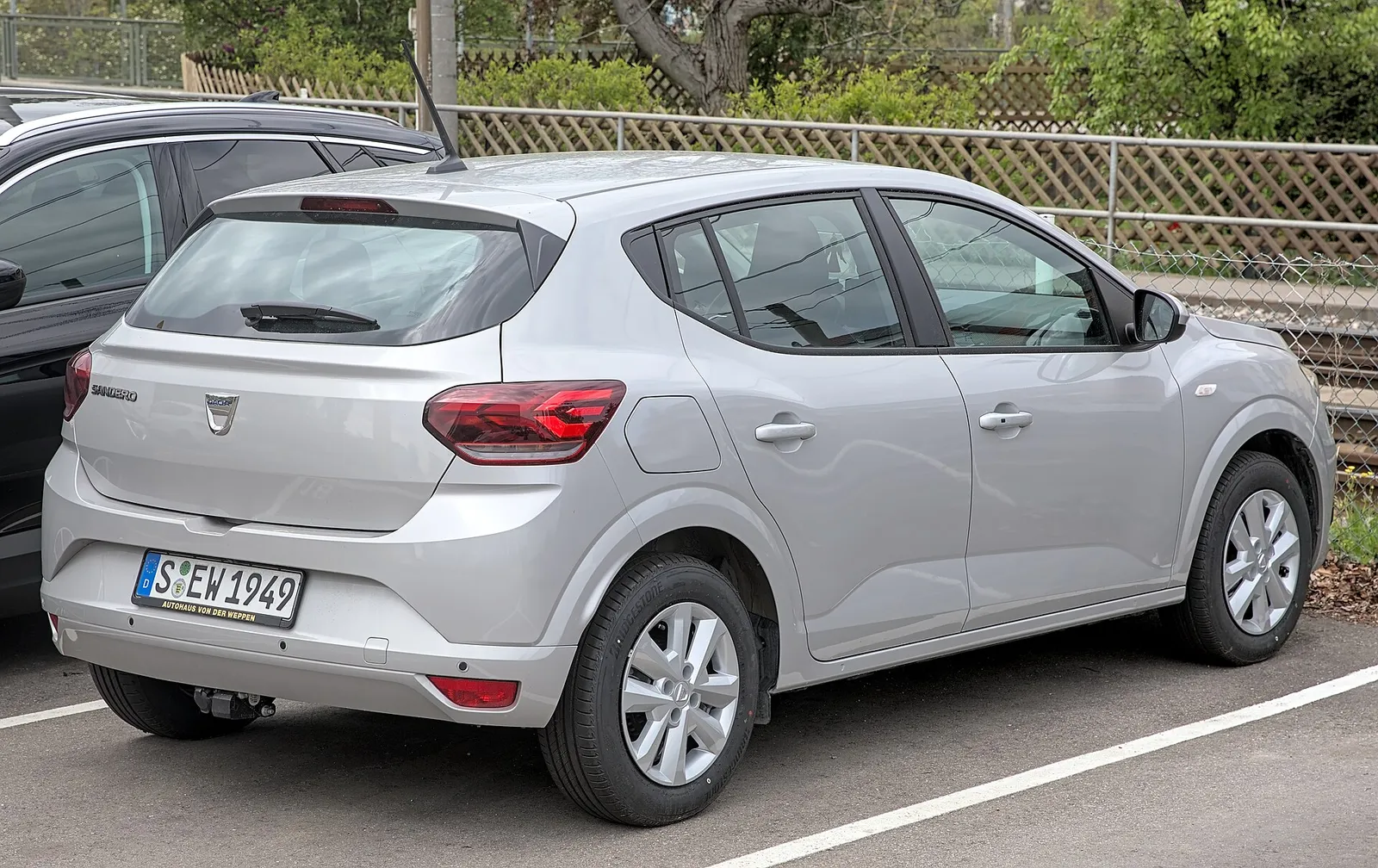
Dacia has made its name as the budget brand: a deliberately simple range, few options and new-car prices among the lowest on the market. For buyers on a tight budget, the question soon follows: does the low price come at the cost of reliability? To answer it, we rely solely on the official results of France’s roadworthiness test (contrôle technique, UTAC-OTC data), supplemented by public Dutch and British data, not on owner reviews.
Dacia compared with other brands
Of the 38 brands tracked on this site, Dacia ranks 10th, with a weighted average retest rate of 16.78% across the 10 models tracked (773,932 tests). That is 2.16 points below the national benchmark (18.94% across all models, see our 2025 barometer).
Among mainstream brands, Dacia comes out on top:
| Brand | Retest rate | Rank (/38) |
|---|---|---|
| Dacia | 16.78% | 10 |
| Citroën | 19.16% | 18 |
| Toyota | 20.92% | 22 |
| Ford | 23.17% | 27 |
| Volkswagen | 23.44% | 28 |
| Fiat | 23.45% | 29 |
| Renault | 24.91% | 33 |
| Peugeot | 25.55% | 35 |
| Opel | 26.42% | 37 |
The full brand table is available on the rankings page.
Model by model
Here are the 10 Dacia families tracked, ranked from most to least reliable by retest rate:
| Model | Retest rate | National rank (/530) | Tests |
|---|---|---|---|
| Spring | 2.86% | 5 | 7,995 |
| Duster II | 7.47% | 72 | 107,256 |
| Sandero II | 11.68% | 149 | 232,921 |
| Sandero III | 11.68% | 150 | 64,751 |
| Logan I | 17.88% | 226 | 51,171 |
| Duster I | 21.45% | 274 | 154,734 |
| Lodgy | 22.37% | 282 | 39,031 |
| Dokker | 24.92% | 324 | 23,848 |
| Sandero I | 31.64% | 434 | 67,864 |
| Logan II | 34.40% | 493 | 24,361 |
The brand average hides wide gaps. The Spring is among the five best models in the national ranking. That result should be read with caution, however: it is an electric car, so the checks linked to a combustion engine do not apply, and its sample is small (7,995 tests). At the other end, the Logan II finishes 493rd out of 530.
The four best-placed families (Spring, Duster II, Sandero II and Sandero III) account for 53% of Dacia tests, and they are what pulls the brand average down. For the Sandero and Duster lines, the newest generation does clearly better than the one before: 31.64% for the Sandero I against 11.68% for the Sandero II and III, and 21.45% for the Duster I against 7.47% for the Duster II. The Logan is the exception: the Logan II (34.40%) does worse than the Logan I (17.88%).
The Sandero II and III show exactly the same rate (11.68%). The published data does not allow us to separate them further, so we present them as they are.
Manufacturer recalls
RappelConso, the French government’s product recall database, lists 12 separate notices for the Dacia models tracked on this site, published between 2018 and 2025. Counted using the same method as our recalls ranking by brand (a recall counts once for each family it covers), that adds up to 32 cumulative recalls across the 10 families:
| Model | Recalls |
|---|---|
| Duster II | 6 |
| Duster I | 5 |
| Sandero II | 5 |
| Logan II | 4 |
| Sandero III | 3 |
| Logan I | 2 |
| Sandero I | 2 |
| Lodgy | 2 |
| Dokker | 2 |
| Spring | 1 |
Most notices are shared between several models built on common underpinnings: a single 2021 notice about the bonnet catch wire, for instance, covers the Sandero I to III and the Logan I and II. Two notices flag a fire risk: a faulty weld on the LPG tank in 2023 (Duster I and II, Sandero III) and possible contact between the battery terminal and a heat sink in 2020 (Sandero II, Logan II). RappelConso notices often do not make clear which generation they apply to, so these figures are orders of magnitude. A recall does not mean every car of that model has the fault either.
Seen from abroad
Dutch (APK, RDW) and British (MOT, DVSA) data have one advantage over the French data: they are broken down by age band. That makes it possible to compare Dacia with the national average at the same age.
In the Netherlands, Dacia ranks 48th out of 84 brands, with an average failure rate of 40.9% across 7 models and 87,894 tests. In the UK, it is 12th out of 29, at 27.9% across 4 generations and 159,850 tests. Age band by age band, Dacia is above the national average in both countries:
| Age band | Dacia (NL) | Average (NL) | Dacia (UK) | Average (UK) |
|---|---|---|---|---|
| 0-3 years | 26.07% | 23.13% | 14.94% | 12.45% |
| 3-5 years | 27.91% | 23.24% | 20.74% | 14.66% |
| 5-8 years | 33.28% | 26.51% | 28.57% | 20.54% |
| 8-11 years | 36.95% | 32.18% | 39.95% | 29.85% |
| 11-15 years | 43.84% | 39.72% | — | — |
| 15 years + | 49.64% | 47.50% | — | — |
In the UK, the fairly favourable overall rank therefore reflects a young Dacia fleet, not better results at the same age.
Several caveats apply, as with all of this site’s international comparisons (see our methodology note). The three tests do not check exactly the same items. In the Netherlands, the data is aggregated across all generations of a model, and the pass/fail result is inferred from the defects recorded. The age-band rates above are weighted averages of the Dacia models tracked in each country. Full details are on the Dacia in the Netherlands and Dacia in the UK pages.
What does a used Dacia cost?
As a guide, here are estimated used prices for the models for which this site has a reference new price, at ages that match their production period:
| Model | Reference new price | Estimated used price |
|---|---|---|
| Sandero III | €12,000 | ~€7,950 at 3 years, ~€5,990 at 6 years |
| Sandero II | €10,000 | ~€4,990 at 6 years, ~€3,420 at 10 years |
| Duster II | €15,550 | ~€10,080 at 3 years, ~€7,350 at 6 years |
| Duster I | €13,900 | ~€4,310 at 10 years, ~€2,540 at 15 years |
| Spring | €18,000 (before the green bonus) | ~€11,930 at 3 years |
This is an indicative estimate, not a valuation: it applies an average depreciation rate by segment to the new price, without taking the trim level, condition or actual mileage into account. To compare models within a given budget, use the budget simulator.
What these figures do not tell you
The retest rate measures compliance with the safety items checked, not overall mechanical reliability: a gearbox or engine failure will not necessarily show up in it. The UTAC-OTC data also does not give the age of the vehicles tested, and a brand with a young fleet has a built-in advantage. That applies to part of the Dacia range: the Spring has been on sale since 2021, the Sandero III since 2020 and the Duster II since 2018. The Dutch and British data suggest this effect matters, but they do not allow it to be measured precisely for France. See the full methodology.
Conclusion
In France, Dacia does better than its budget-brand image suggests: 10th out of 38, below the national rate and ahead of every other mainstream brand. That result rests mainly on the recent generations (Spring, Duster II, Sandero II and III), while the Sandero I and the Logan II sit near the bottom of the table. Abroad, where age is measured, Dacia fails more often than average at the same age. A low price therefore does not translate into a poor result at the French roadworthiness test, but the data does not show that a Dacia ages better than any other car. When buying, the specific model and generation matter more than the brand: details for each family are on the Dacia page.
Data sources: UTAC-OTC (France roadworthiness test, 2025), RappelConso (data.gouv.fr), RDW (Netherlands), DVSA (UK). Full methodology on the methodology page.
— Also worth reading
Barometers & Studies
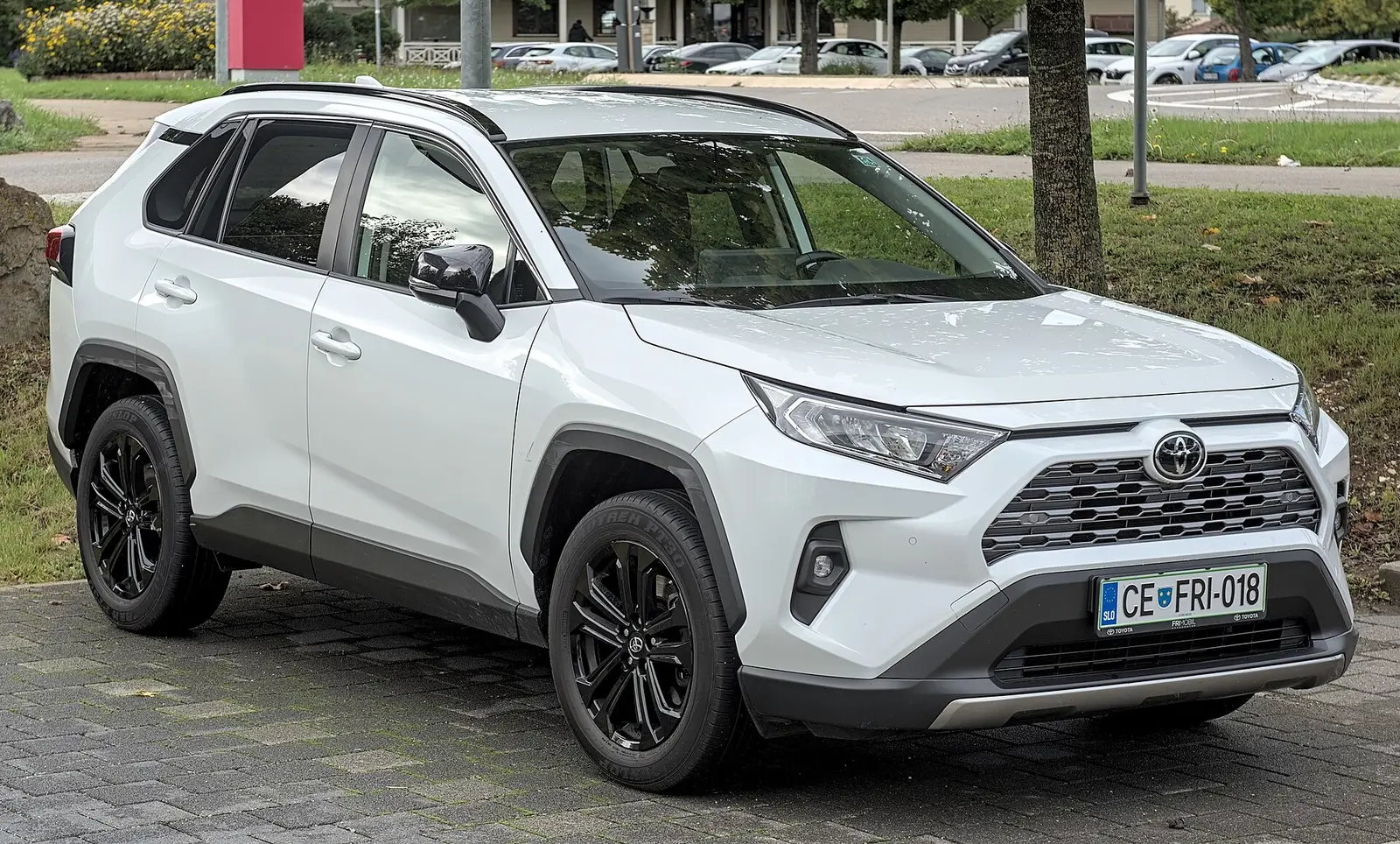
Toyota: Does Its Reliability Reputation Hold Up at the Roadworthiness Test?
What does France's official UTAC-OTC data say about Toyota? Retest rates by model, comparison with other brands, and recalls.
10 October 2026 · 6 min read
Barometers & Studies
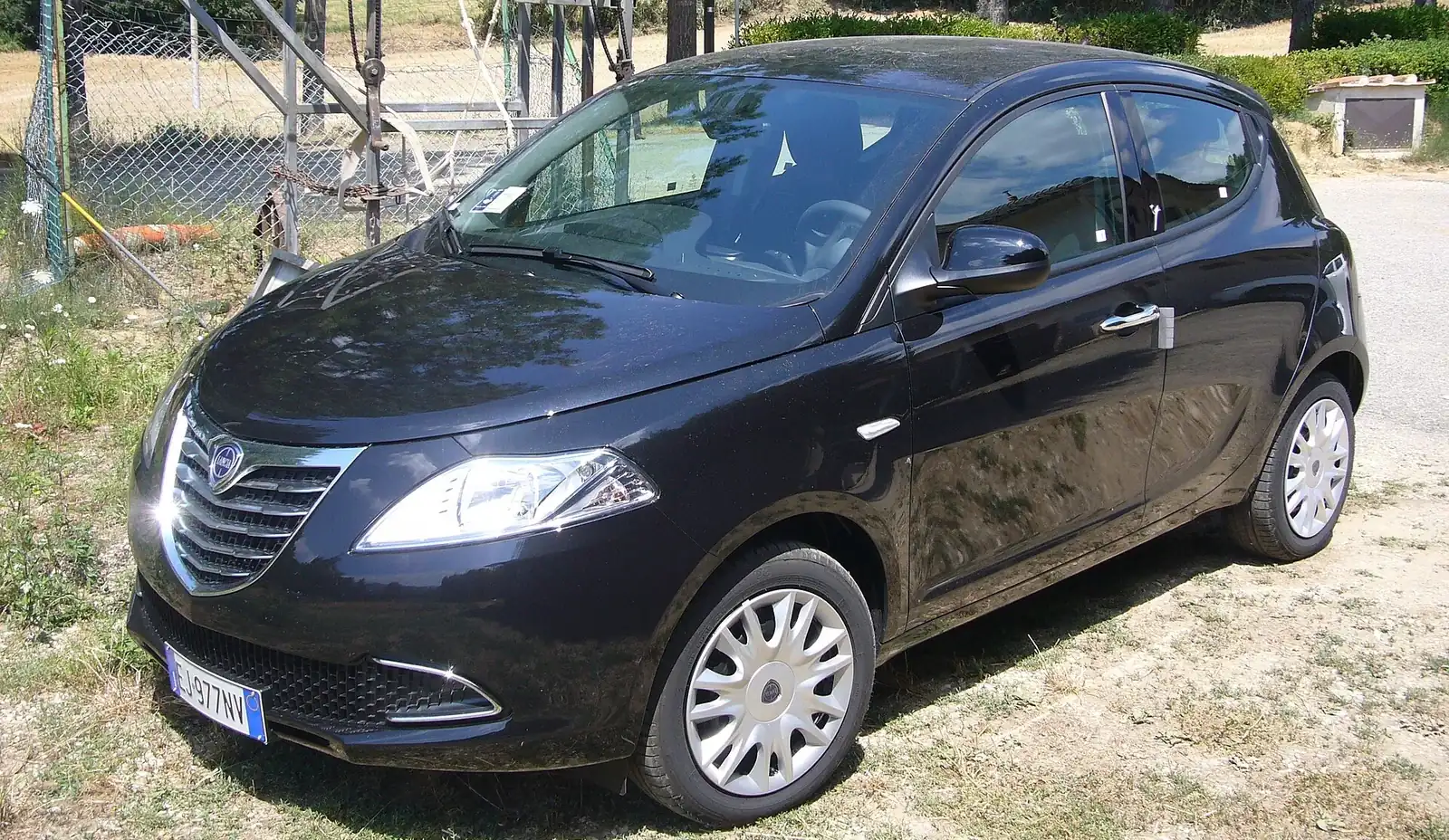
Lancia: What Do the APK and Roadworthiness Test Data Show?
A rare sight in France these days, Lancia is still on the road in the Netherlands. APK pass rates and French data, model by model.
4 October 2026 · 4 min read
Barometers & Studies
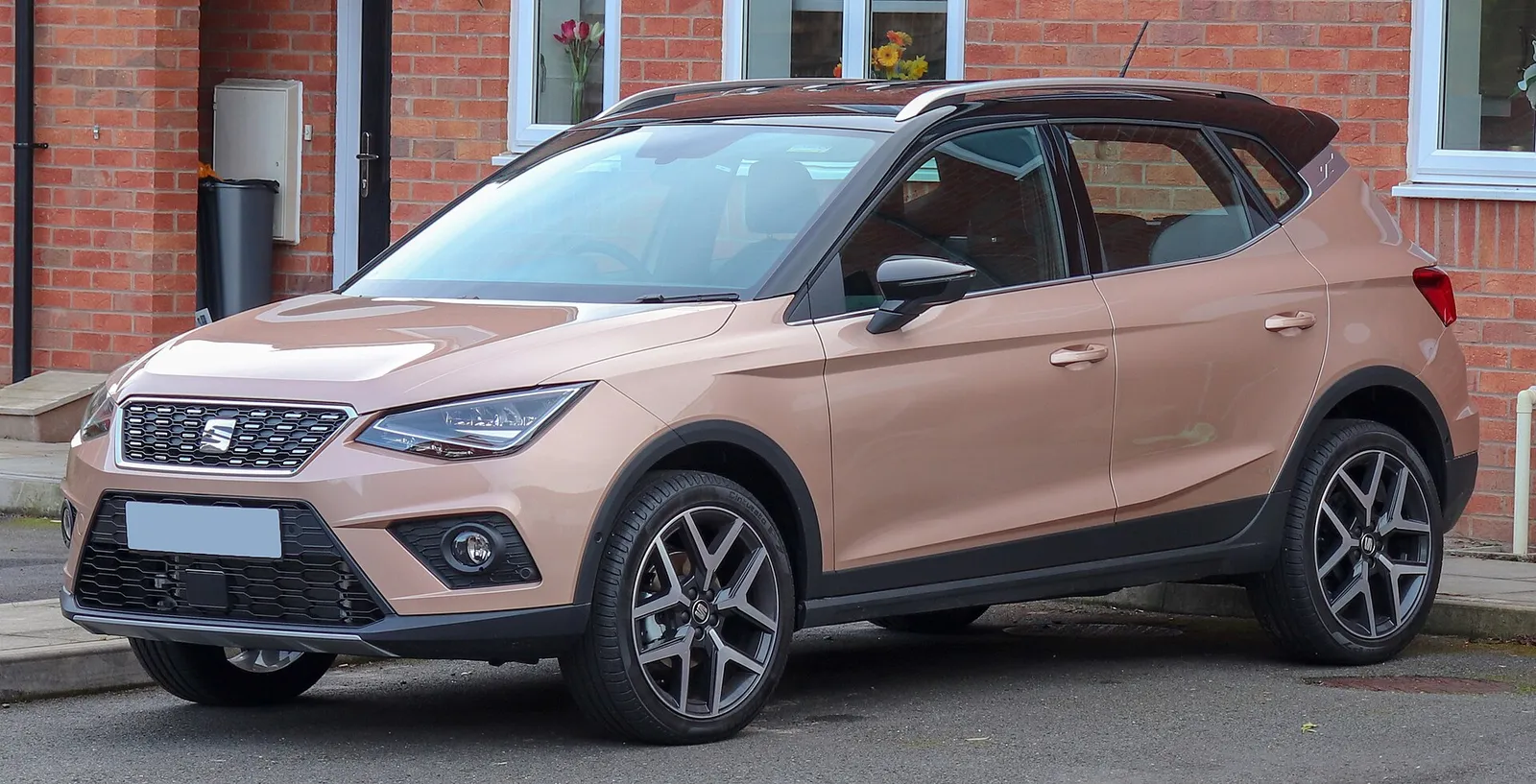
Is Seat Reliable? What the APK and Roadworthiness Test Data Show
APK pass rates in the Netherlands and retest rates in France, model by model, across the Seat range.
1 October 2026 · 5 min read