Barometers & Studies
FRIs Volkswagen as Reliable as Its German Reputation?
Published 9 September 2026 · 5 min read
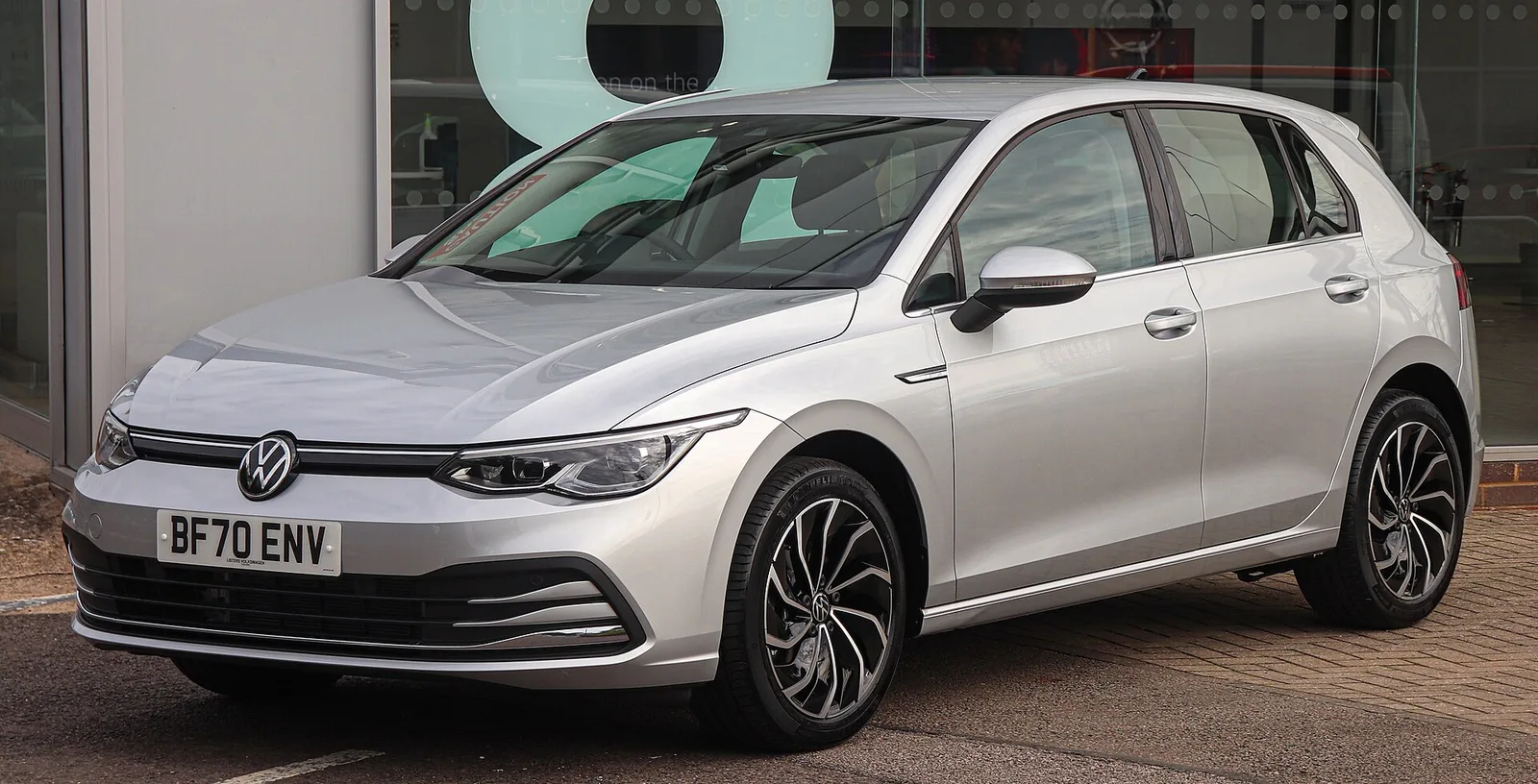
Volkswagen carries a reputation for German precision and solidity, embodied in France by the Golf — one of the best-selling cars in the brand’s history. But what, precisely, does France’s official roadworthiness test data show?
Volkswagen against the other mainstream brands
Out of the 38 brands tracked on this site, Volkswagen ranks 28th, with a weighted average retest rate of 23.44% across the 32 families tracked (1,346,522 tests represented). That’s well above the national reference rate (18.94% across all models, see the 2025 barometer), and puts it in the lower half of the brand ranking.
The most telling comparison is with the other German manufacturers: Audi (17.76%, 11th), Mercedes (18.48%, 14th) and BMW (18.55%, 16th) all do appreciably better. Even Skoda — a sister brand built on the same platforms as Volkswagen — ranks ahead (20.14%, 21st), while the group’s other brand, Seat, brings up the rear of all 38 (26.67%). Against the French and other foreign mainstream brands, Volkswagen sits between Ford (23.17%, 27th) and Fiat (23.45%, 29th), ahead of Renault (24.91%, 33rd), Peugeot (25.55%, 35th) and Opel (26.42%, 37th), but behind Citroën (19.16%, 18th), Toyota (20.92%, 22nd) and Dacia (16.78%, 10th).
With 32 families tracked, the sample is wide and the site raises no statistical caveat about the brand as a whole. On this measure, then, the reputation for German precision isn’t borne out: at France’s roadworthiness test, Volkswagen does worse than its premium compatriots and than its own Czech sister brand.
The full ranking, model by model
Here are the 32 Volkswagen families tracked, ranked from most to least reliable by retest rate:
| Model | Retest rate | National rank (/530) |
|---|---|---|
| Touran I / Caddy III | 3.77% | 14 |
| T-Roc I | 4.26% | 18 |
| T-Cross | 5.15% | 26 |
| Passat CC / CC | 6.85% | 60 |
| Golf VIII | 10.25% | 125 |
| Coccinelle III | 10.95% | 135 |
| Scirocco III | 11.49% | 147 |
| Touareg I | 12.72% | 169 |
| Tiguan II | 15.70% | 196 |
| Tiguan I | 15.70% | 197 |
| Polo VI | 17.69% | 224 |
| Coccinelle II (New Beetle) | 18.54% | 238 |
| Passat VIII | 18.83% | 242 |
| Passat VII | 18.83% | 243 |
| Golf I / Jetta I | 20.17% | 255 |
| Touran II | 23.04% | 292 |
| Golf VII / Golf Sportsvan | 24.04% | 310 |
| Golf III / Jetta III (Vento) | 24.95% | 326 |
| Golf II / Jetta II | 24.95% | 327 |
| Touareg II | 25.89% | 348 |
| Sharan II | 27.56% | 375 |
| T4 (Caravelle / Multivan / Transporter / Vanagon) | 28.36% | 389 |
| Golf V / VI / Plus / Jetta V / Eos | 31.19% | 420 |
| Fox | 31.54% | 427 |
| Passat VI | 31.83% | 437 |
| Polo V | 32.03% | 442 |
| Polo IV | 32.03% | 443 |
| Up! | 32.59% | 456 |
| Golf IV / Jetta IV (Bora) | 33.27% | 476 |
| T5 / T6 (California / Caravelle / Multivan / Transporter) | 33.57% | 477 |
| Polo III / Caddy II | 34.01% | 483 |
| Passat V | 36.24% | 508 |
The gap is considerable: the Touran I / Caddy III climbs to 14th place nationally out of 530 models tracked — an outstanding result — while the Passat V finishes 508th, more than 32 points behind. The top of the table is occupied by recent, tall-bodied models (Touran I, T-Roc, T-Cross, Tiguan I and II); the bottom, almost entirely by older or discontinued generations (Passat V and VI, Polo III to V, Golf IV, Fox, Up!). The same pattern seen at other mainstream brands holds here: each new generation does better than the one before. The Polo VI (17.69%) comfortably beats the Polo III to V (32 to 34%); the Passat VII and VIII (18.83%) leave the Passat V and VI (31 to 36%) far behind.
That leaves the Golf, the brand’s flagship model. The seven generations tracked span from 125th nationally (Golf VIII, the most recent) to 476th (Golf IV). The Golf VII, the best-selling generation, accounts on its own for 167,157 tests — by far the largest Golf volume — and ranks 310th at 24.04%, which is almost exactly the brand average. The Golf VIII is the only one that stands out (10.25%), but on a more recent and smaller sample. Put another way: despite its status as the shop window, the Golf is not Volkswagen’s most reliable model at the roadworthiness test — the recent crossovers and raised compacts take the podium.
A word on volumes: they range from 4,731 tests (Golf I / Jetta I) to 188,032 (Polo V). The comparisons are solid for the big sellers, but the older, low-volume generations (Golf I to III, Passat V, Touareg) are subject to a selection effect — only particularly well-maintained examples are still on the road and turning up for testing. Worth noting too: the three highest-volume families (Polo V, Golf V/VI, Golf VII) all post a rate well above the brand average — so Volkswagen’s weighted average is dragged down by its own best-sellers, not by marginal models.
Manufacturer recalls
RappelConso lists 47 distinct notices concerning the Volkswagen families tracked on this site, published between 2020 and 2026. Counted using the same method as our recalls-per-brand ranking (a recall counts once per family it affects), that comes to 206 recalls cumulated across 29 of the 32 families — which places Volkswagen 6th among brands, whether the ranking is raw or adjusted for the number of models tracked.
The most affected families are the Polo III / Caddy II (13 notices), the Tiguan I and II (12 each) and the Polo IV, V and VI (10 each). Several notices span a large part of the range at once, following the “shared platform” logic: Takata airbag gas generators liable to degrade (several notices between 2020 and 2025, see our article on Takata airbags and France’s roadworthiness test in 2026), seatbelt anchoring, or an insufficient quantity of extinguishing sand in the high-voltage fuse of the electrified versions. As with other brands, a recall doesn’t mean a widespread defect across every unit — but their frequency is a useful complement to the retest rate, which doesn’t cover this type of defect.
Volkswagen seen from abroad
Thirteen Volkswagen families are part of this site’s international comparison pilot: the seven Golf generations (I to VIII), the four most recent Polos (III to VI) and the two Tiguans, mapped to British (DVSA) and Dutch (RDW) data.
One finding dominates on the British side: the single most common test failure is almost always the same — insufficient tyre tread depth, ranging from 10% (Golf III) to 22% of tests (Golf V/VI, Polo IV, Tiguan I) depending on the generation. In the Netherlands, tyres also come first (borderline tread depth, under-inflation), ahead of lighting (misaligned dipped beam).
One important caveat on a specific case: the French family “Golf V / VI / Plus / Jetta V / Eos” groups together, on the British side, two distinct generations (Mk5 and Mk6) plus the Jetta and Eos, which are not tracked separately in the UK. That match is rated “medium” confidence (approximate correspondence) — a caveat that concerns the France → UK grouping, not the quality of the British data itself, which is “high” for the Mk5 and Mk6 taken individually. Generation-by-generation detail is available on the Volkswagen UK and Netherlands pages (in French).
What this means for a purchase
The retest rate measures compliance with the safety points checked, not overall mechanical reliability — see the full methodology page (in French). On this specific measure, Volkswagen doesn’t live up to its reputation for German precision: the brand sits in the lower half of the ranking, behind Audi, BMW, Mercedes and its own sister brand Skoda. But the brand average matters less, for a purchase, than the specific model and generation in question: a Touran I or a T-Roc in the national top 30, a Passat V or a Golf IV right at the bottom. And the Golf, despite its image, is not the best reliability choice in the range. Full detail for each family, including running costs, is available on the Volkswagen brand page (in French).
Source data: UTAC-OTC (French roadworthiness test, 2025), RappelConso (data.gouv.fr). Full methodology on the methodology page (in French).
— Also worth reading
Barometers & Studies
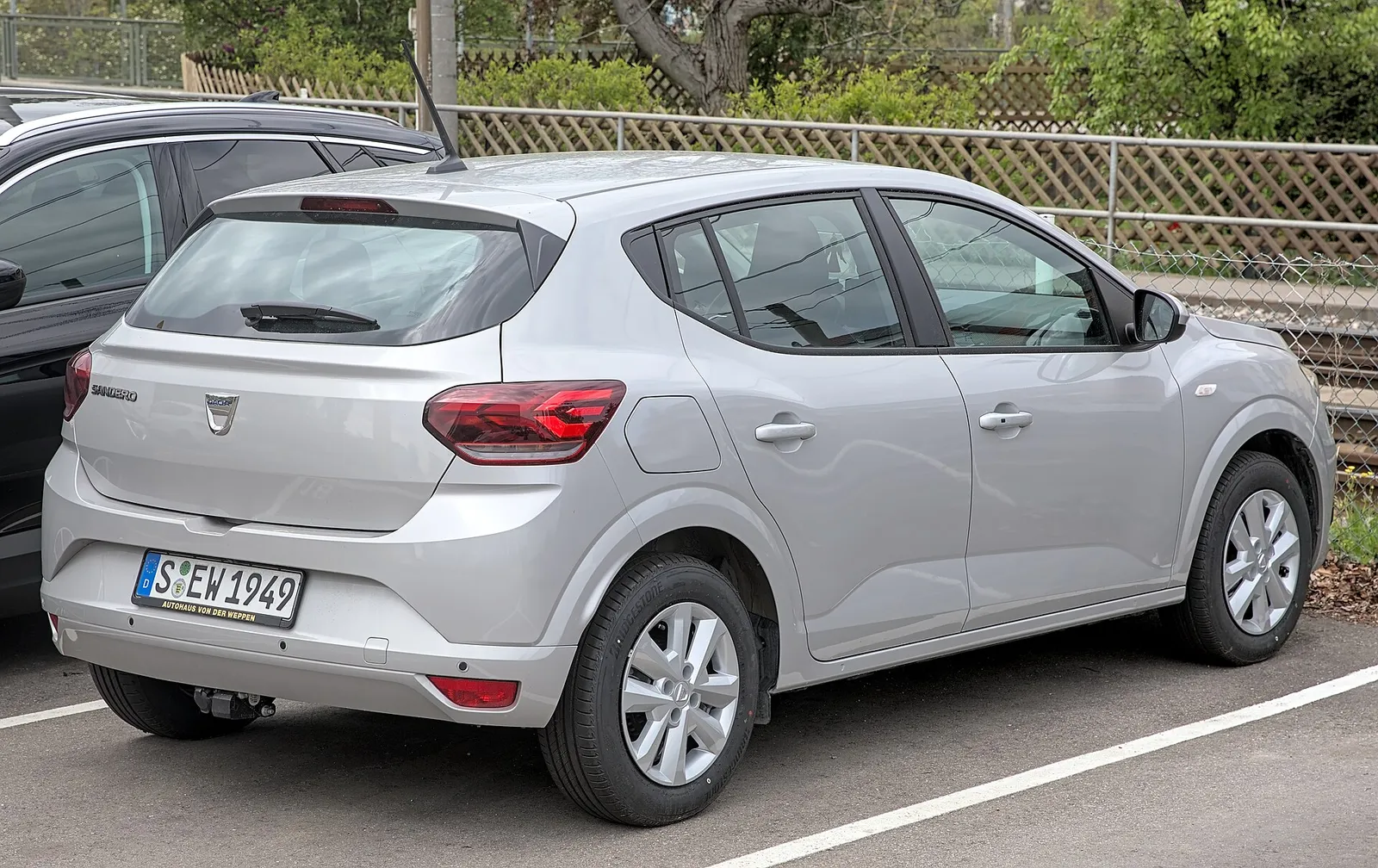
Dacia: Is a Budget Car Less Reliable? What the Roadworthiness Test Shows
Sandero, Duster, Logan... What does France's official UTAC-OTC data say about Dacia? Retest rates by model, comparison and recalls.
16 October 2026 · 6 min read
Barometers & Studies
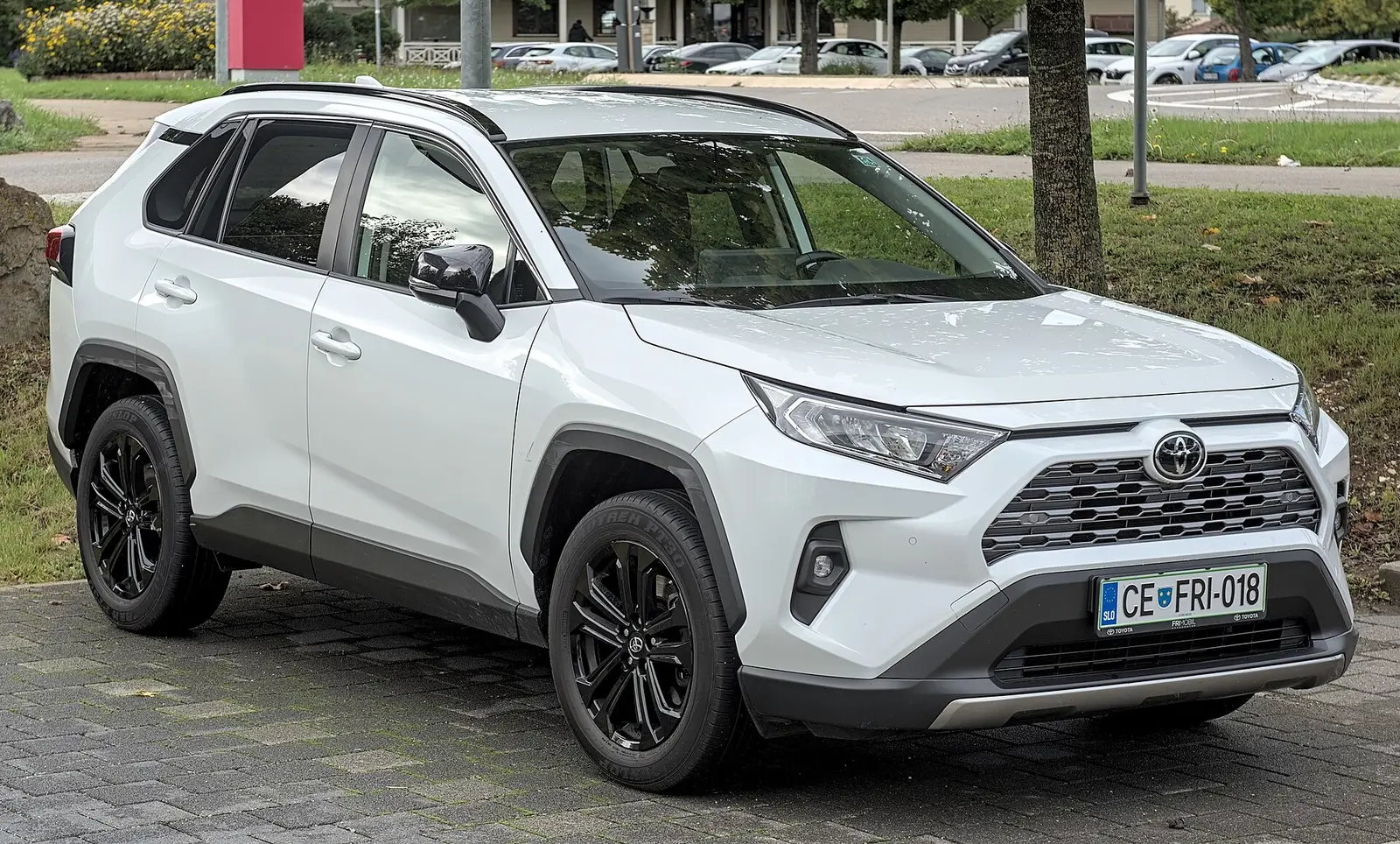
Toyota: Does Its Reliability Reputation Hold Up at the Roadworthiness Test?
What does France's official UTAC-OTC data say about Toyota? Retest rates by model, comparison with other brands, and recalls.
10 October 2026 · 6 min read
Barometers & Studies
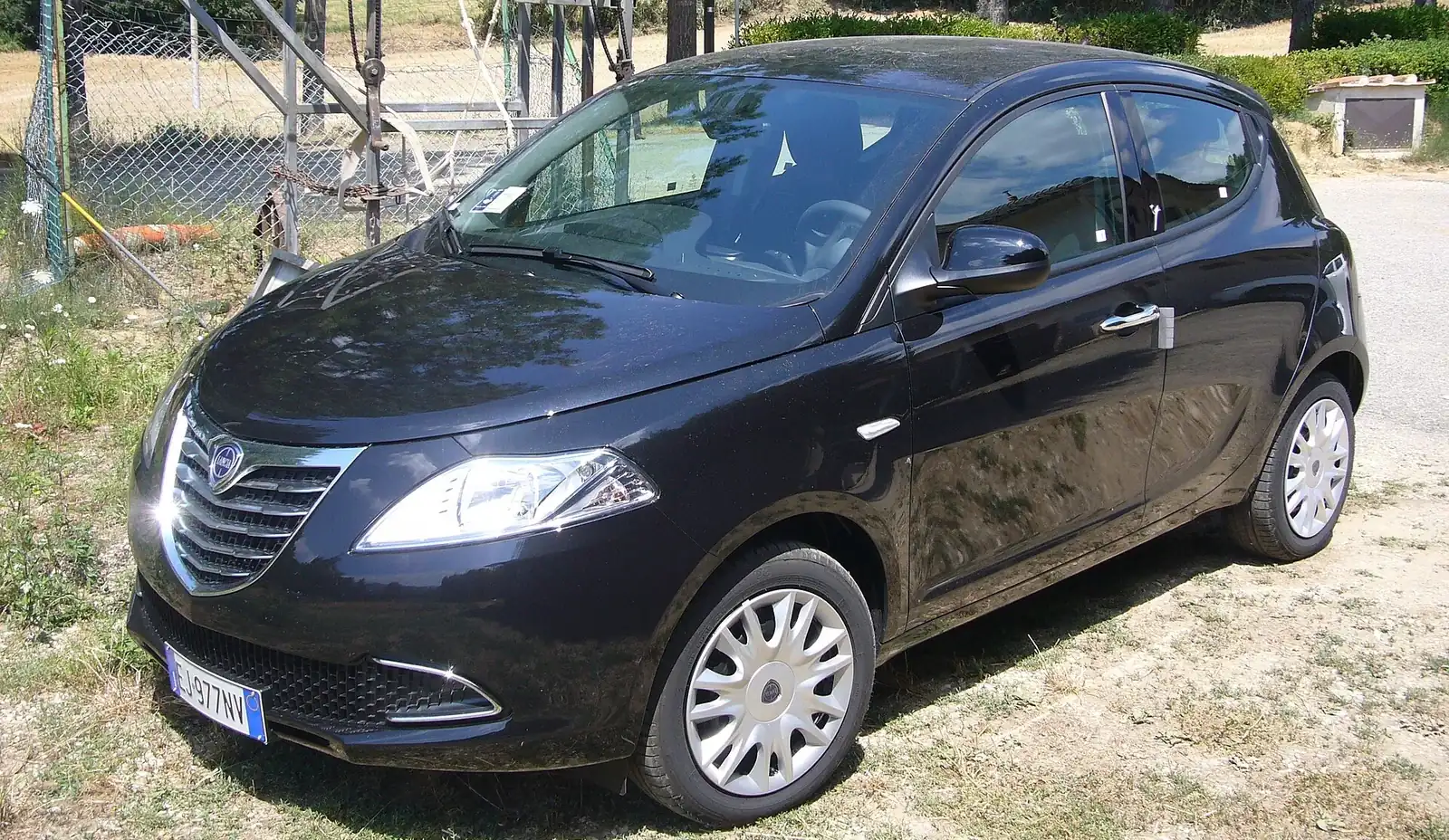
Lancia: What Do the APK and Roadworthiness Test Data Show?
A rare sight in France these days, Lancia is still on the road in the Netherlands. APK pass rates and French data, model by model.
4 October 2026 · 4 min read