Barometers & Studies
FRIs Volvo Really as Reliable as Its Reputation?
Published 5 September 2026 · 5 min read
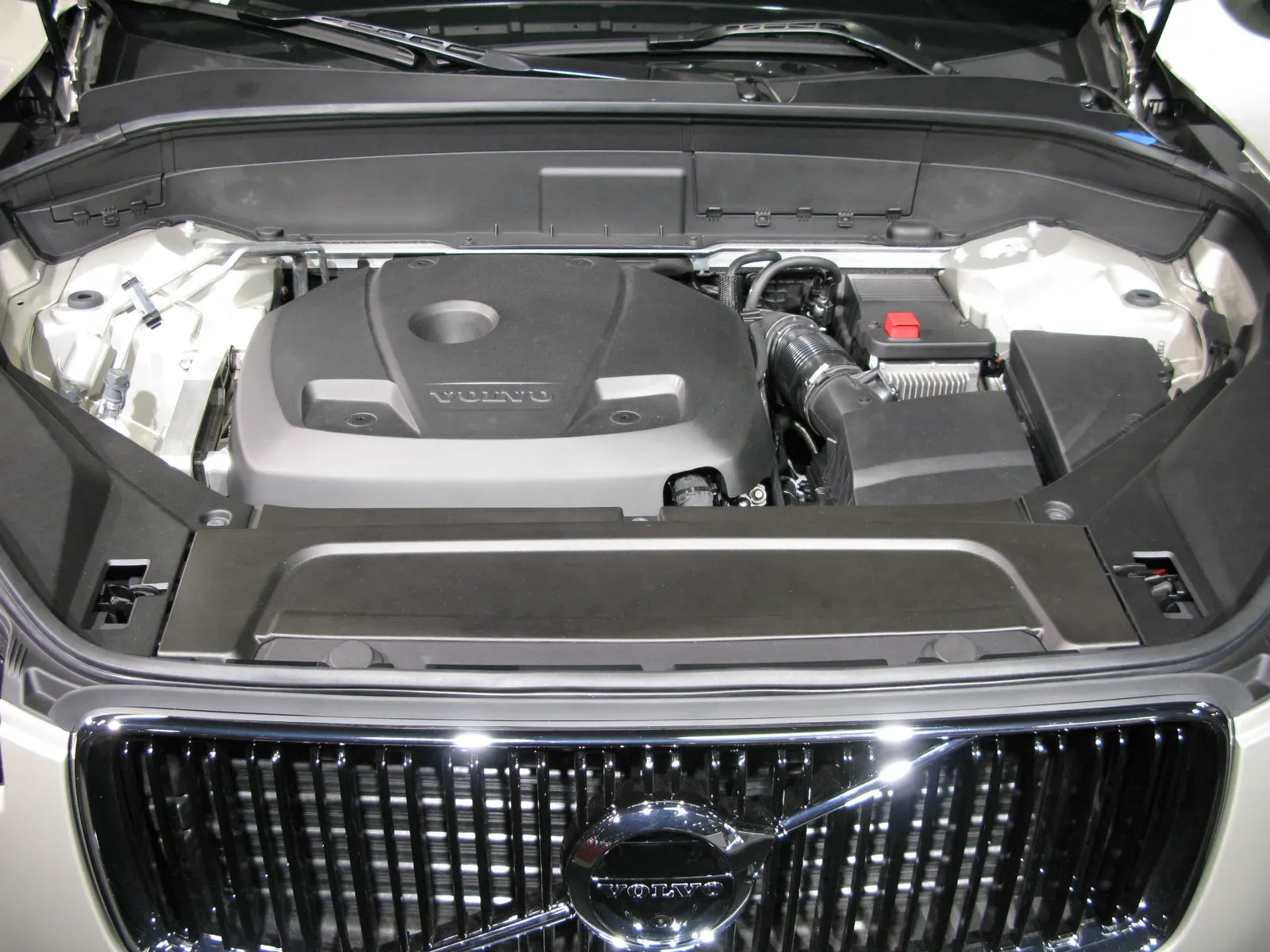
Volvo built its reputation on safety and longevity — a solidly entrenched “bulletproof” brand image. But what does France’s official roadworthiness test data actually show, rather than the scattered anecdotes picked up on forums?
Volvo against the other brands
Out of the 38 brands tracked on this site, Volvo ranks 15th, with a weighted average retest rate of 18.48% across the 10 models tracked (106,566 roadworthiness tests represented). That’s slightly below the national reference rate (18.94% across all models, see the 2025 barometer), and puts it in the same bracket as the other mainstream premium brands: Audi (17.76%), Mercedes (18.48%) and BMW (18.55%).
Volvo therefore sits neither in the top tier nor among the weaker performers — a solid result, but far from the exceptional image its reputation suggests. Worth noting too: with 10 models tracked, Volvo’s range is narrower than the generalist brands (Renault: 40, Peugeot: 36, Volkswagen: 32) — a sample the site doesn’t consider too small, but one that naturally carries less weight in the national average than higher-volume brands.
Model by model
Here are the 10 Volvo families tracked, ranked from most to least reliable by retest rate:
| Model | Retest rate | National rank (/530) |
|---|---|---|
| V40 II | 3.33% | 9 |
| XC90 I | 5.74% | 39 |
| XC60 I | 6.16% | 46 |
| XC90 II | 10.06% | 118 |
| XC60 II | 12.92% | 172 |
| S80 II / V70 III / XC70 II | 18.55% | 239 |
| C30 / S40 II / V50 / C70 II | 28.65% | 394 |
| XC40 / EX40 | 31.86% | 439 |
| S60 II / V60 I | 32.55% | 455 |
| S60 I / V70 II / XC70 I | 36.67% | 512 |
The gap is considerable: the V40 II climbs to 9th place nationally out of 530 models tracked — an outstanding result — while the S60 I / V70 II / XC70 I finishes 512th, among the weakest in the overall ranking. A clear dividing line also emerges between the SUVs (XC60 and XC90, across every generation, well below the national average) and the older saloons and estates in the range (S60, V70, S40), which rank noticeably worse. The XC40 / EX40 is the exception to that pattern: a more recent model, yet with one of the brand’s highest retest rates.
Manufacturer recalls
RappelConso lists 12 distinct notices concerning the Volvo families tracked on this site, published between 2020 and 2022. Several of them affect a large part of the range at once: the 2022 notice about a welding defect that could affect braking, ABS and ESC, for instance, covers the S60, V60, XC60, S90, V90, XC90 and XC40 simultaneously. Other notices from 2020-2021 concern air bubbles in the cooling circuit (overheating risk) on older generations (S80, S60, V70, XC70, V40), plus a series of notices specific to the XC40 (high-voltage system, battery, brake bolting).
Counted using the same method as our recalls-per-brand ranking (a recall counts once per family it affects), that comes to 35 recalls cumulated across the 10 Volvo families tracked — a figure that should be read with the same caution as for other brands: a recall doesn’t mean a widespread defect across every unit of a model, and several of Volvo’s notices deliberately span multiple models at once because they share the same platform or engine.
What this means for a purchase
The retest rate measures compliance with the safety points checked (braking, suspension, emissions, lighting), not overall mechanical reliability (engine, gearbox, clutch) — see the full methodology page (in French). On this specific measure, Volvo sits in the upper-middle of the mainstream premium pack, with a sharp split between its SUVs (XC60, XC90 — solid) and its older saloons and estates (S60, V70, S40 — clearly lagging). The brand’s reputation is therefore neither fully confirmed nor debunked: it depends heavily on the model and generation in question. The full model-by-model detail is available on the Volvo brand page (in French).
Source data: UTAC-OTC (French roadworthiness test, 2025), RappelConso (data.gouv.fr). Full methodology on the methodology page (in French).
— Also worth reading
Barometers & Studies
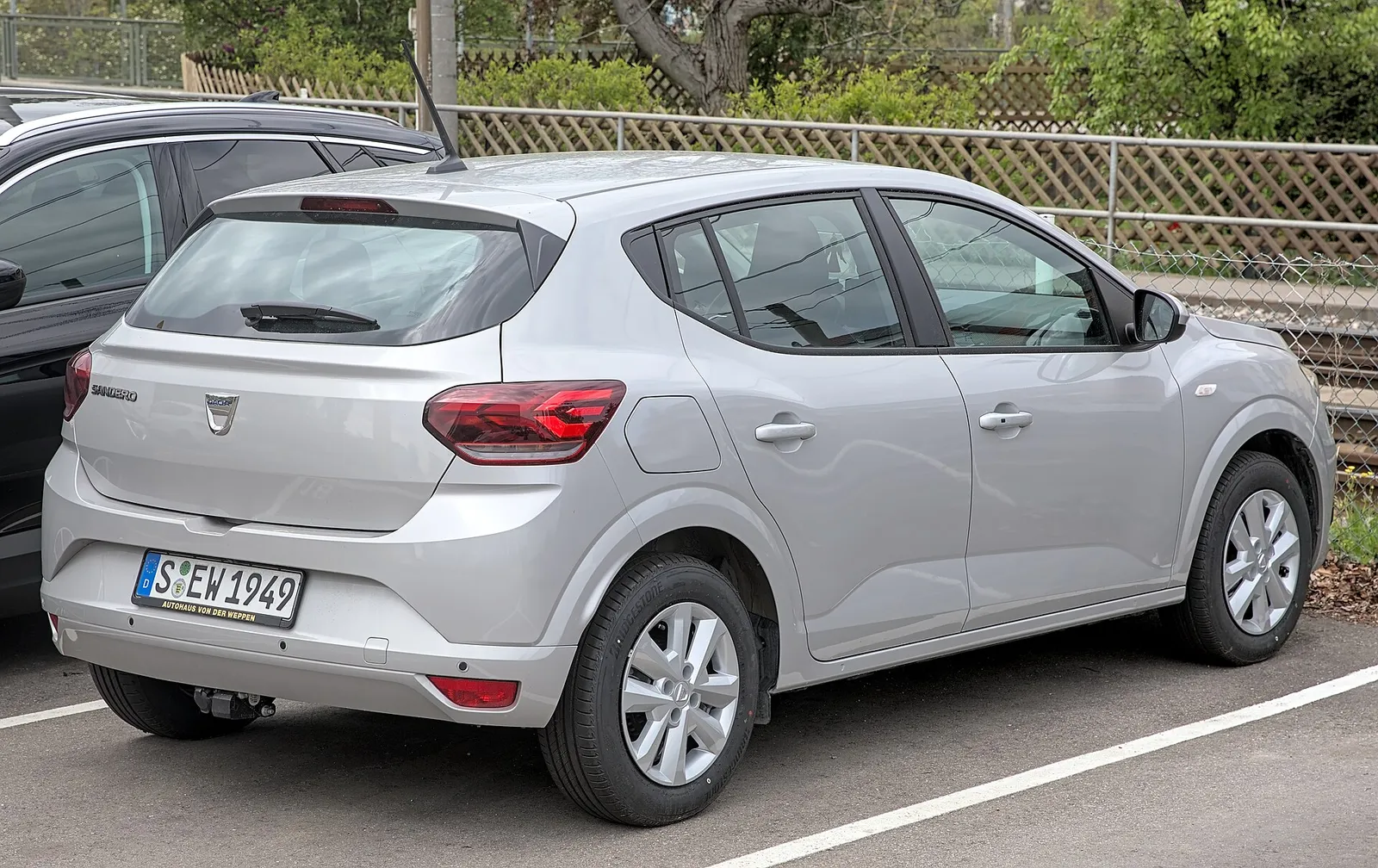
Dacia: Is a Budget Car Less Reliable? What the Roadworthiness Test Shows
Sandero, Duster, Logan... What does France's official UTAC-OTC data say about Dacia? Retest rates by model, comparison and recalls.
16 October 2026 · 6 min read
Barometers & Studies
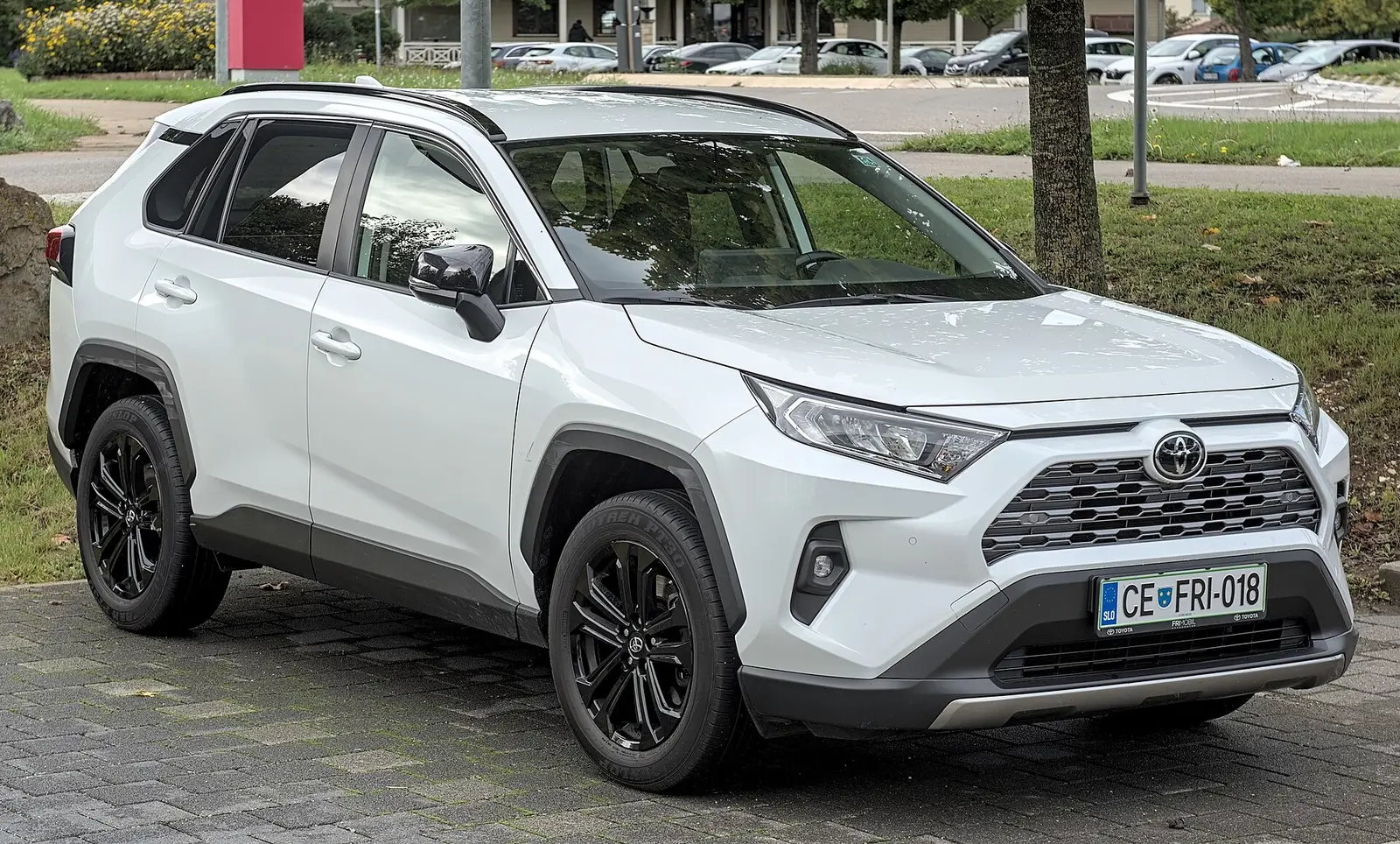
Toyota: Does Its Reliability Reputation Hold Up at the Roadworthiness Test?
What does France's official UTAC-OTC data say about Toyota? Retest rates by model, comparison with other brands, and recalls.
10 October 2026 · 6 min read
Barometers & Studies
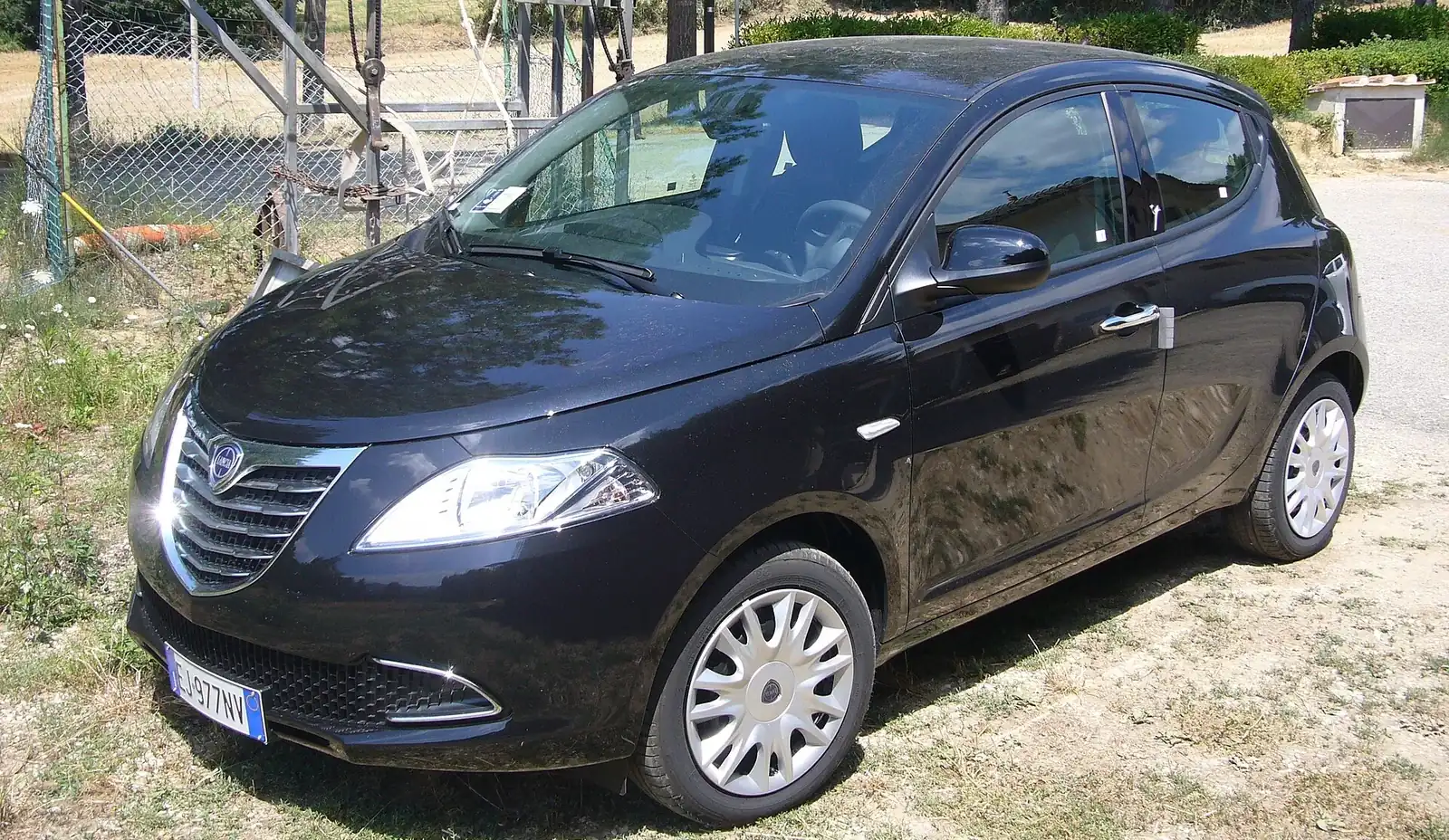
Lancia: What Do the APK and Roadworthiness Test Data Show?
A rare sight in France these days, Lancia is still on the road in the Netherlands. APK pass rates and French data, model by model.
4 October 2026 · 4 min read