Barometers & Studies
FRIs Hyundai Reliable? What the Data Shows Across Three Markets
Published 29 September 2026 · 6 min read
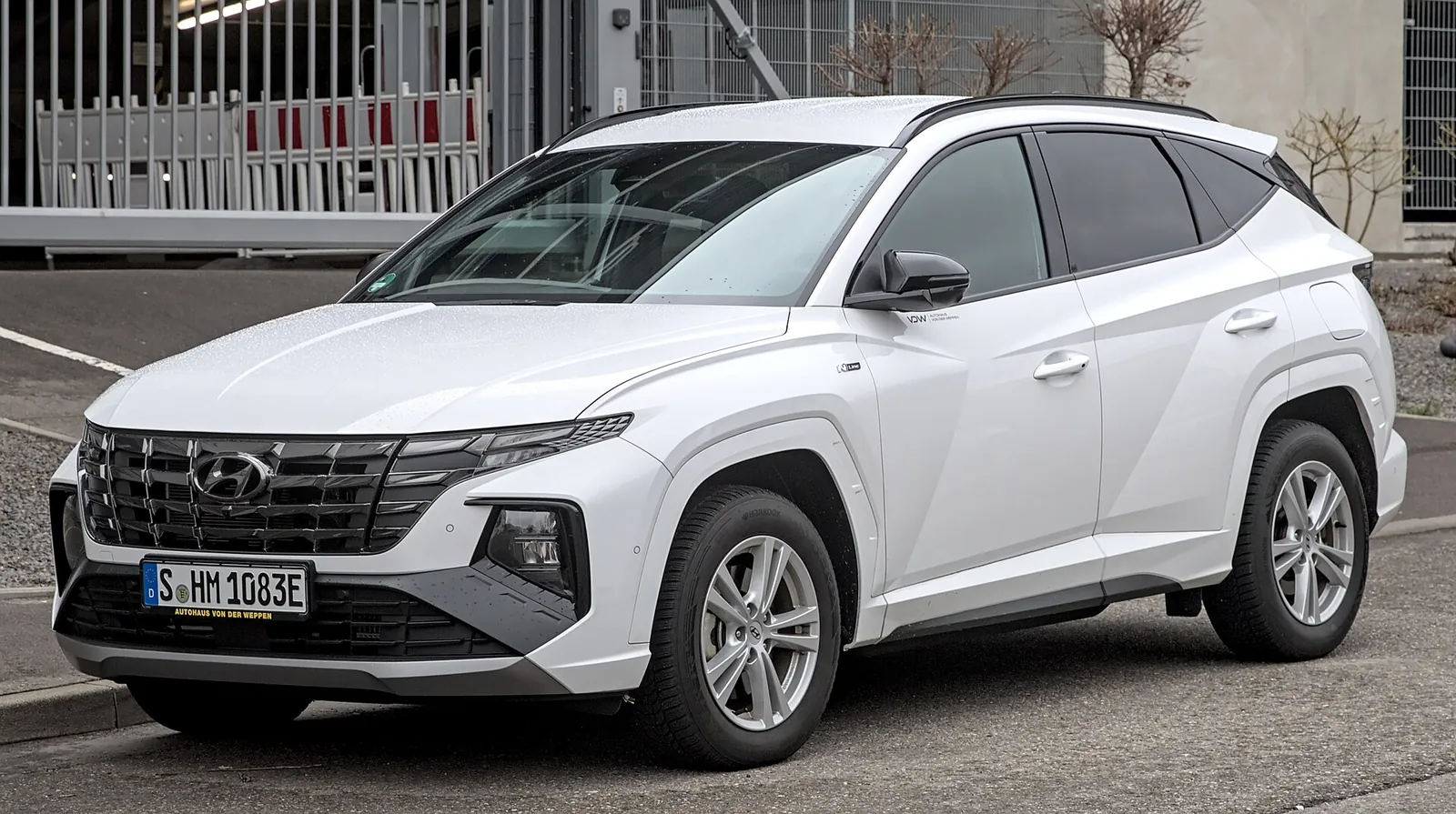
Over the past few years Hyundai has built up a brand image on the rise, backed by long warranties and a fast-changing range. Here’s what the official inspection data from three European markets shows — a very favourable result in France, and a much more middling one in the Netherlands and the UK.
In the Netherlands (APK)
The RDW (the Dutch vehicle authority) publishes the results of the APK (Algemene Periodieke Keuring, the Dutch equivalent of the roadworthiness test) as open data. Hyundai accounts for 420,305 tests. Its average failure rate stands at 38.78%, against 37.54% for the Dutch fleet as a whole — just over a point above average.
The gap is small, but it shows up in almost every age bracket:
| Age bracket | Hyundai | National average (NL) |
|---|---|---|
| 3-5 years | 24.91% | 23.24% |
| 5-8 years | 26.39% | 26.51% |
| 8-11 years | 34.51% | 32.18% |
| 11-15 years | 41.68% | 39.72% |
| 15 years+ | 47.77% | 47.50% |
Only the 5-8 year bracket puts Hyundai (very slightly) below average. Here are the most tested models (over 10,000 APKs each), with their failure rate in their main age bracket, compared with the national average for that same bracket:
| Model (RDW) | Main age bracket | Hyundai failure rate | National average |
|---|---|---|---|
| Atos Prime | 15 years+ | 46.08% | 47.50% |
| Getz | 15 years+ | 47.14% | 47.50% |
| ix35 | 11-15 years | 39.60% | 39.72% |
| ix20 | 11-15 years | 38.97% | 39.72% |
| i20 | 11-15 years | 41.79% | 39.72% |
| i10 (“I 10”) | 11-15 years | 42.65% | 39.72% |
| i30 | 11-15 years | 42.83% | 39.72% |
| Tucson | 15 years+ | 50.54% | 47.50% |
| i10 (“I10”) | 8-11 years | 36.40% | 32.18% |
| Kona | 3-5 years | 30.25% | 23.24% |
The i10 appears under two separate labels in the RDW data, matching registrations from different periods: we show them separately, as published. The most striking case is the Kona, 7 points above average in its 3-5 year bracket — even though it ranks among the good performers in France (see below). Conversely, the lower-volume recent models do clearly better than their bracket average: Ioniq (23.60%, 5-8 years), Ioniq 5 (17.80%), Bayon (15.77%) and the Kona registered under the “Kona, Kauai” label (16.18%), the last three in the 3-5 year bracket.
Two methodological caveats apply to these figures, as with every APK ranking published on this site: the data is aggregated across all generations of a model (the RDW doesn’t natively distinguish between generations — the Dutch “Tucson” therefore mixes several generations, and its rate mostly reflects the oldest ones), and the pass/fail result isn’t published directly — it’s inferred by cross-referencing test events with recorded defects. All 30 Hyundai models tracked are detailed on the Hyundai in the Netherlands page, and the Netherlands section has the full ranking (both in French).
In France (roadworthiness test)
The French picture is far more flattering. With a weighted average retest rate of 14.86% across 17 families tracked (211,655 roadworthiness tests represented), Hyundai ranks 5th out of 38 brands. The national reference rate is 18.94%. Apart from Mazda, the brands ahead of it — Alpine, Chrysler and Cupra — each have just one family tracked: among brands with a significant sample (more than 5 families), Hyundai comes 2nd, just behind Mazda (13.81%), as our 2025 barometer already showed.
Here are the 17 families, from most to least reliable:
| Model | Retest rate | National rank (/530) |
|---|---|---|
| ix35 * | 3.00% | 7 |
| Tucson IV | 5.16% | 28 |
| Tucson I | 6.33% | 53 |
| i20 I | 6.85% | 59 |
| i30 I | 7.63% | 76 |
| ix20 | 9.97% | 111 |
| i20 III | 10.43% | 127 |
| Kona I | 10.48% | 128 |
| Ioniq | 11.32% | 142 |
| Tucson III | 11.79% | 153 |
| i10 II | 23.19% | 294 |
| i10 I | 23.19% | 295 |
| i30 III | 23.36% | 299 |
| i20 II | 26.55% | 359 |
| Santa Fe II | 29.21% | 403 |
| Getz | 31.55% | 431 |
| i30 II | 31.58% | 432 |
* The ix35 result should be treated with great caution: a rate of 3.00% for an SUV sold between 2010 and 2015 — the 7th best result nationally — isn’t matched in any other country. The ix35 is in line with the average in the Netherlands (39.60%) and slightly above it in the UK. This is very probably an anomaly in the source data rather than a genuine reliability record. Without the ix35, Hyundai’s average rises from 14.86% to 16.09%, still well below the national average.
The same caveat applies, to a lesser extent, to three other older generations — Tucson I, i20 I and i30 I — whose very low rates (between 6 and 8%) contrast with those of their direct successors (i20 II at 26.55%, i30 II at 31.58%). The i10 I and II also show exactly the same rate: the UTAC source appears to group them together.
Leaving these special cases aside, the conclusion holds: the Tucson IV (5.16%, 28th out of 530, with almost 15,000 tests) and the Tucson III (11.79%, across almost 30,000 tests, Hyundai’s most represented family) are both well below average, as are the Kona I, the Ioniq and the i20 III. The families lagging behind — i20 II, Santa Fe II, Getz, i30 II — are older generations.
Manufacturer recalls (France)
RappelConso lists 13 separate notices concerning the Hyundai families tracked on this site, published between 2021 and 2026. Counted using the same method as our recalls ranking by brand (a recall counts once per family it concerns), that comes to 30 cumulative recalls across 14 of the 17 families — placing Hyundai 17th in that ranking, far behind the most affected brands (Peugeot, 392; Opel, 218). Eight of these notices relate to a risk of injury, five to a fire risk (one of them also environmental).
As with Opel, none of these notices specifies the generation concerned: each one is therefore attached to every possible generation of the same model, which mechanically inflates the cumulative total (a single notice on the i20 thus counts three times). A recall doesn’t mean a widespread defect across every car, and it isn’t reflected in the retest rate.
And in the UK?
The MOT data published by the DVSA places Hyundai 15th out of 29 brands, with a weighted average failure rate of 28.79% across 22 generations tracked — a mid-table result, closer to the Dutch picture than the French one. The detail is on the Hyundai in the UK page (in French), and the full ranking in our MOT brand ranking.
The Tucson is tracked there generation by generation, which the Dutch data doesn’t allow. The third generation (2015-2019, over 100,000 MOTs) fails in 17.52% of cases in its main age bracket (5-8 years), against a national average of 20.54%. The fourth generation (since 2020), still thinly represented (8,477 MOTs), is on the contrary above its 0-3 year bracket average (14.80% against 12.45%). Our cross-country mapping table doesn’t yet formally link these British generations to the French families: these figures should therefore be read on their own terms, not as direct confirmation of the French Tucson III and IV results.
Key takeaways before buying
The retest rate, and the APK and MOT failure rates, measure compliance with the safety points checked, not overall mechanical reliability — see the full methodology (in French). On this measure, Hyundai’s profile varies by country: among the best brands in France (2nd of the brands with a significant sample, even with the ix35 set aside), slightly below average in the Netherlands, mid-table in the UK. What the three markets have in common is the solid showing of recent models — Tucson, Ioniq, Bayon, latest-generation i20 — against older generations (i30 II, Getz, Santa Fe II) that lag clearly behind. The Kona is the only recent model sending mixed signals: very good in France, above average in the Netherlands. The full detail, including running costs, is on the Hyundai brand page (in French).
Data sources: RDW (Netherlands, CC0 licence), UTAC-OTC (France, 2025), DVSA MOT testing data (UK, Open Government Licence v3.0), RappelConso (data.gouv.fr). Full methodology on the methodology page (in French).
— Also worth reading
Barometers & Studies
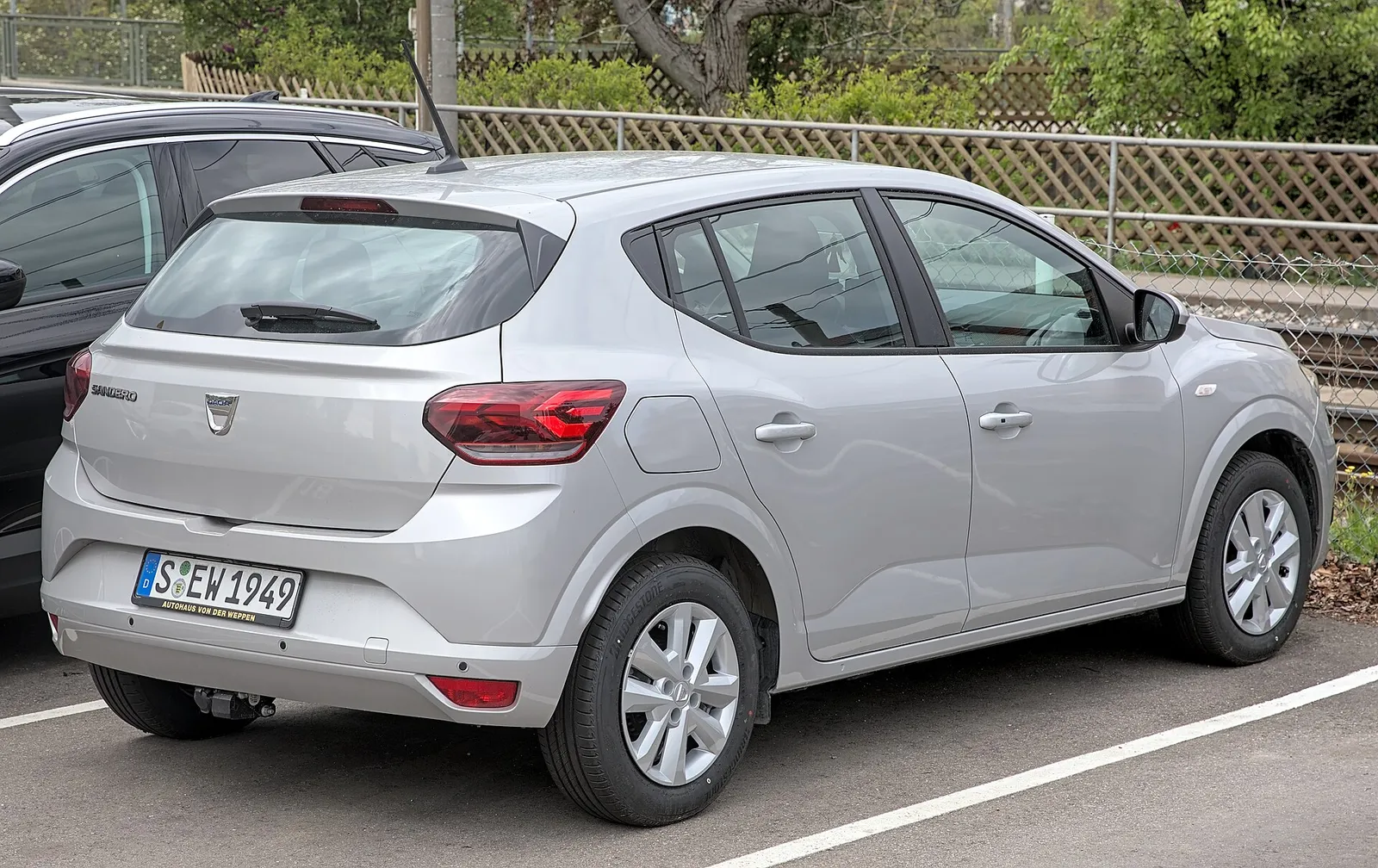
Dacia: Is a Budget Car Less Reliable? What the Roadworthiness Test Shows
Sandero, Duster, Logan... What does France's official UTAC-OTC data say about Dacia? Retest rates by model, comparison and recalls.
16 October 2026 · 6 min read
Barometers & Studies
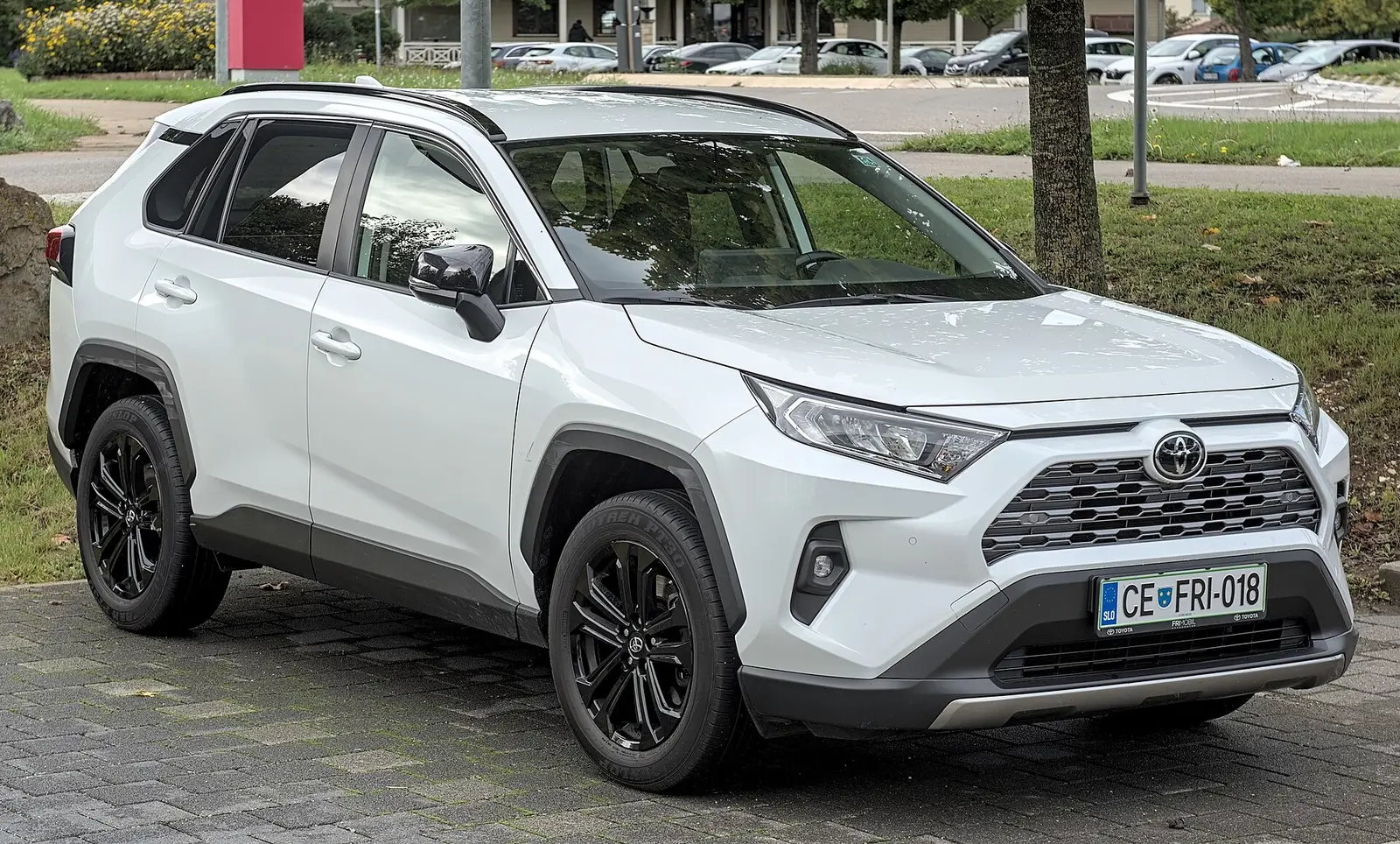
Toyota: Does Its Reliability Reputation Hold Up at the Roadworthiness Test?
What does France's official UTAC-OTC data say about Toyota? Retest rates by model, comparison with other brands, and recalls.
10 October 2026 · 6 min read
Barometers & Studies
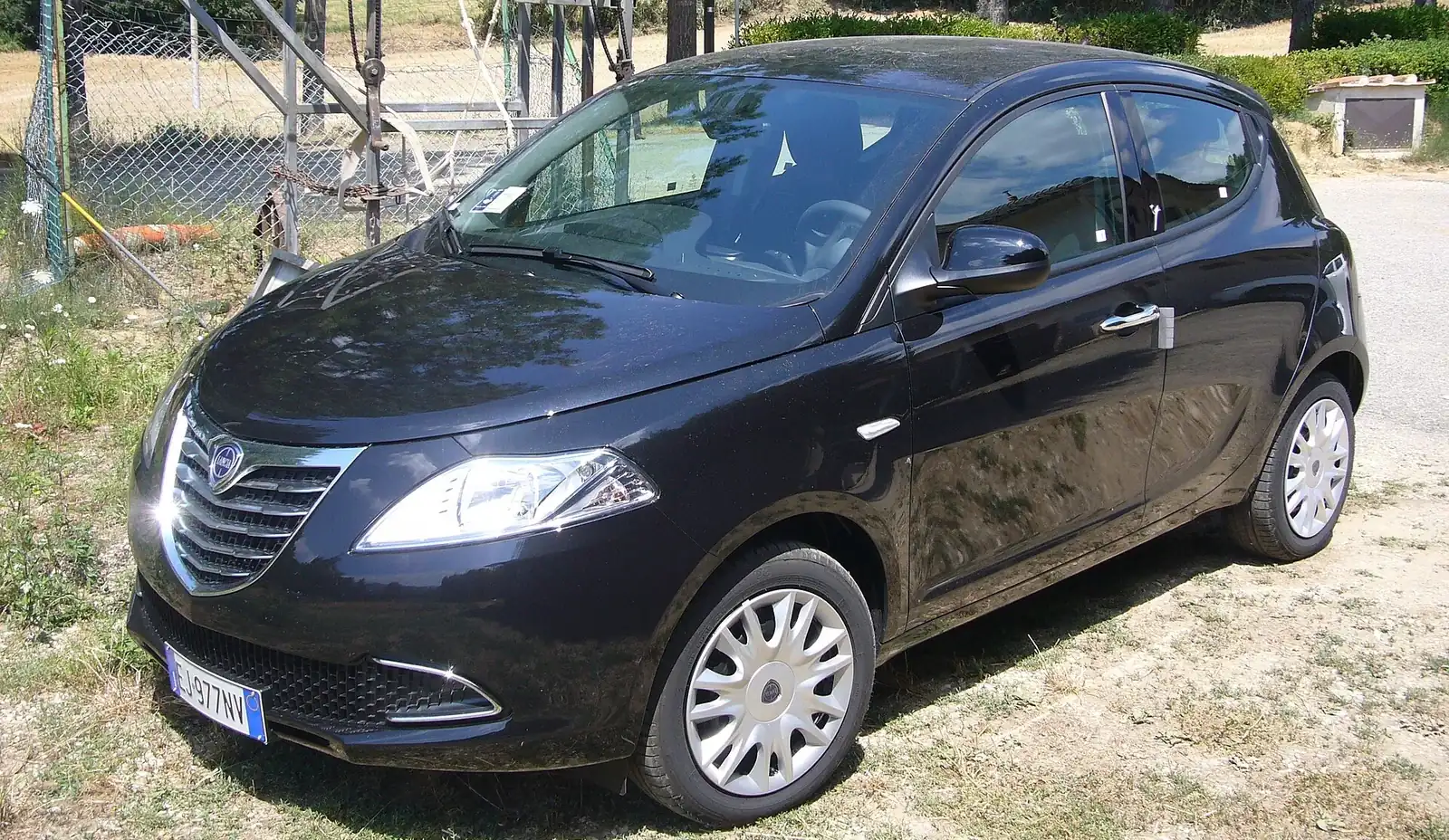
Lancia: What Do the APK and Roadworthiness Test Data Show?
A rare sight in France these days, Lancia is still on the road in the Netherlands. APK pass rates and French data, model by model.
4 October 2026 · 4 min read