Barometers & Studies
FRIs Opel Reliable? What the APK and Roadworthiness Test Data Show
Published 25 September 2026 · 6 min read
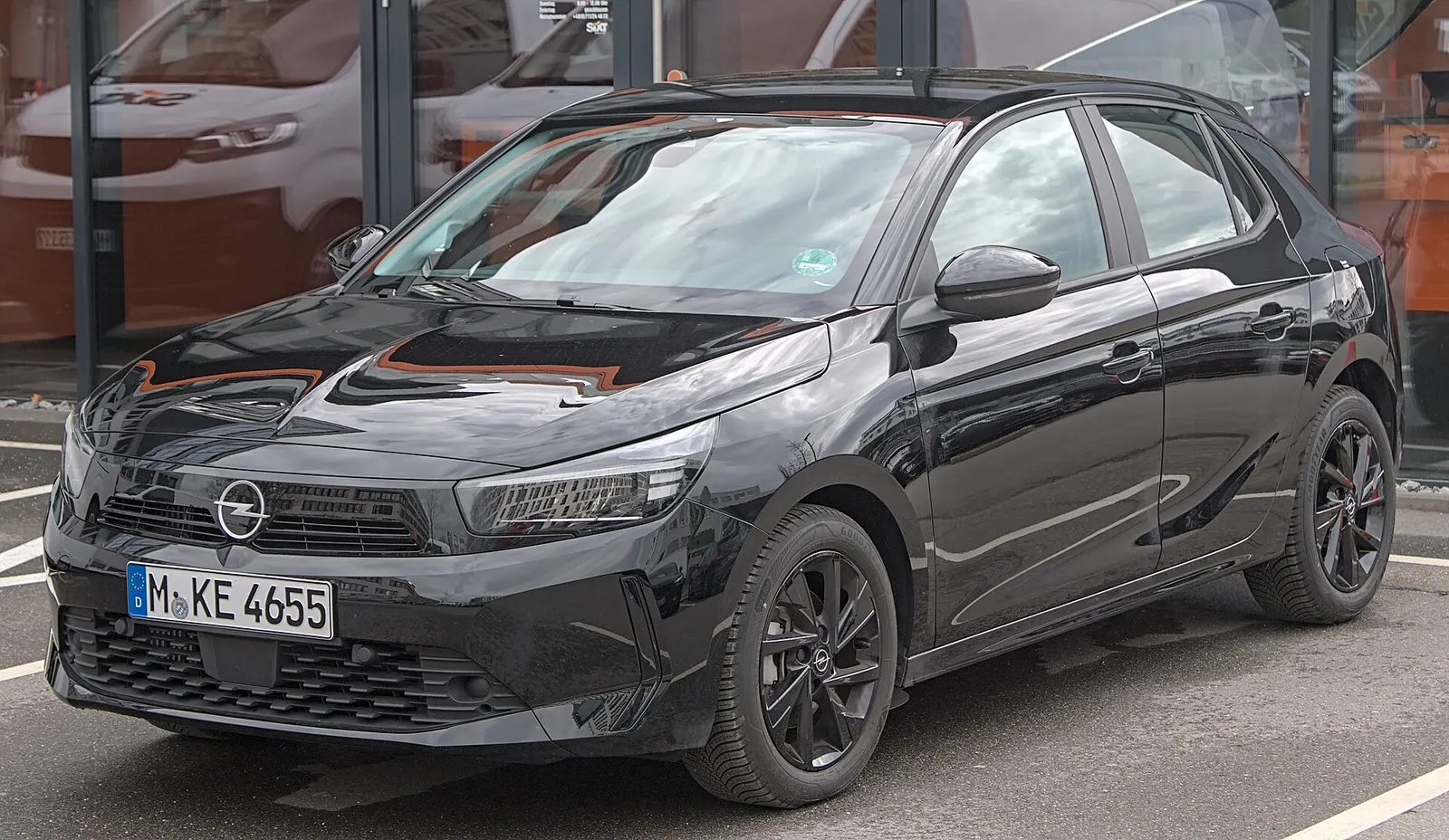
Opel is one of the most widely tracked brands on this site, in France as well as in the Netherlands. Here’s what the official inspection data from both markets shows, model by model — an overall unfavourable picture, but a far more nuanced one once you look at the recent generations.
In the Netherlands (APK)
The RDW (the Dutch vehicle authority) publishes the results of the APK (Algemene Periodieke Keuring, the Dutch equivalent of the roadworthiness test) as open data. Opel is heavily represented, with 843,959 tests recorded. Its average failure rate stands at 39.98%, against 37.54% for the Dutch fleet as a whole — around 2.4 points above average.
The gap isn’t down to an older fleet: Opel does worse than the national average in every age bracket.
| Age bracket | Opel | National average (NL) |
|---|---|---|
| 3-5 years | 24.47% | 23.24% |
| 5-8 years | 27.89% | 26.51% |
| 8-11 years | 35.66% | 32.18% |
| 11-15 years | 41.07% | 39.72% |
| 15 years+ | 48.83% | 47.50% |
Model by model, the picture is less uniform. Here are the most tested Opel models (over 10,000 APKs each), with their failure rate in their main age bracket, compared with the national average for that same bracket:
| Model (RDW) | Main age bracket | Opel failure rate | National average |
|---|---|---|---|
| Crossland X | 5-8 years | 21.16% | 26.51% |
| Grandland X | 5-8 years | 22.55% | 26.51% |
| Mokka X | 5-8 years | 25.37% | 26.51% |
| Meriva | 11-15 years | 34.39% | 39.72% |
| Insignia | 15 years+ | 44.72% | 47.50% |
| Agila | 15 years+ | 46.31% | 47.50% |
| Meriva-A | 15 years+ | 47.53% | 47.50% |
| Zafira | 15 years+ | 48.74% | 47.50% |
| Astra | 11-15 years | 42.08% | 39.72% |
| Mokka | 8-11 years | 35.37% | 32.18% |
| Corsa | 11-15 years | 43.87% | 39.72% |
| Astra-G-CC | 15 years+ | 51.57% | 47.50% |
| Adam | 8-11 years | 37.35% | 32.18% |
| Corsa-C | 15 years+ | 52.52% | 47.50% |
| Karl / Viva | 5-8 years | 33.12% | 26.51% |
| Corsa-E | 8-11 years | 38.75% | 32.18% |
The three recent SUVs — Crossland X, Grandland X and Mokka X — are the only high-volume models clearly below the national average. By contrast, the Corsa, the most tested Opel in the country, sits more than 4 points above in its main bracket, and the Karl and the Corsa E (the 2014-2019 generation, not the electric Corsa-e) exceed the average by more than 6 points.
Two methodological caveats apply to these figures, as with every APK ranking published on this site: the data is aggregated across all generations of a model (the RDW doesn’t natively distinguish between generations), and the pass/fail result isn’t published directly — it’s inferred by cross-referencing test events with recorded defects. All 64 Opel models tracked are detailed on the Opel in the Netherlands page, and the Netherlands section has the full ranking (both in French).
In France (roadworthiness test)
The French picture is even harsher. With a weighted average retest rate of 26.42% across 25 families tracked (532,179 roadworthiness tests represented), Opel ranks 37th out of 38 brands, just ahead of Seat (26.67%). The national reference rate is 18.94%. Unlike the brands at the top of the raw ranking, there’s nothing limited about the sample: it’s one of the most widely represented ranges in our 2025 barometer.
Here are the 25 families, from most to least reliable:
| Model | Retest rate | National rank (/530) |
|---|---|---|
| Zafira I * | 2.98% | 6 |
| Karl | 7.61% | 75 |
| Astra V | 10.78% | 132 |
| Meriva I | 11.73% | 151 |
| Corsa VI | 11.85% | 154 |
| Mokka II | 14.28% | 181 |
| Meriva II | 18.35% | 234 |
| Crossland X | 18.43% | 236 |
| Insignia I | 18.67% | 241 |
| Mokka I | 25.51% | 343 |
| Corsa V | 25.75% | 347 |
| Agila II | 30.09% | 411 |
| Agila I | 30.09% | 412 |
| Zafira III | 30.62% | 415 |
| Vectra III / Signum | 31.08% | 419 |
| Vivaro I | 32.84% | 465 |
| Corsa IV | 32.90% | 466 |
| Astra IV / Cascada | 33.02% | 470 |
| Corsa III / Combo II / Tigra II | 33.88% | 478 |
| Corsa II / Combo I / Tigra I | 33.88% | 479 |
| Astra III | 34.93% | 496 |
| Adam | 35.12% | 500 |
| Zafira II | 35.70% | 506 |
| Astra II | 36.99% | 517 |
| Grandland I | 37.38% | 521 |
* The Zafira I result should be treated with great caution: a rate of 2.98% for an MPV sold between 1999 and 2005, when both its successors exceed 30%, is very probably an anomaly in the source data rather than a genuine reliability record. We leave it out of the analysis below.
Setting the Zafira I aside, the recent generations hold up well: Astra V (10.78%), Corsa VI (11.85%) and Mokka II (14.28%) are all below the national average, as is the small Karl (7.61%). The rest of the range, mostly made up of older generations, weighs heavily on the average: 16 families exceed 25%. The Agila I and II, as well as the Corsa II and III, show exactly the same rate — the UTAC source appears to group them together, which explains the identical values.
One case is worth flagging: the Grandland, bottom of the Opel ranking in France (37.38%, 521st out of 530), is on the contrary among the brand’s best models in the Netherlands (22.55%, below the national average). The two measures don’t cover the same scope (retest on one side, failure inferred across all generations on the other), but the gap is marked enough to call for caution before drawing any conclusion about this model.
Manufacturer recalls (France)
RappelConso lists 61 distinct notices concerning the Opel families tracked on this site, published between 2018 and 2026. Counted using the same method as our recalls-per-brand ranking (a recall counts once per family it affects), that comes to 218 recalls cumulated across 19 of the 25 families — putting Opel 5th in that ranking. Most of these notices concern a risk of injury (38 notices), the others a fire or environmental risk.
That cumulative total needs putting into perspective, though: most Opel notices don’t specify the generation concerned, so they’re attached to every possible generation of a given model. That’s what explains, for instance, the 18 to 23 recalls counted against each of the five Corsa families. As with other brands, a recall doesn’t mean a widespread defect across every unit, and it isn’t reflected in the retest rate.
A note on the United Kingdom
Opel doesn’t appear in the British MOT data: in the UK, the same cars are sold under the Vauxhall brand — same vehicle, different badge. Our correspondence table therefore links the French Corsas to the British Vauxhall Corsas, generation by generation (the numbering differs: the French Corsa II corresponds to the Corsa B, and so on up to the Corsa VI, which corresponds to the Corsa F).
The finding there is consistent with the other two countries: the Vauxhall Corsa F fails its MOT 21.15% of the time in its main age bracket (3-5 years), against a national average of 14.66%, and the Corsa D (Corsa IV in France) 44.27% of the time against 38.66%. In the UK brand ranking, Vauxhall comes 24th out of 29 — see our MOT brand ranking and the Vauxhall in the UK page (in French).
What this means for a purchase
The retest rate or APK failure rate measures compliance with the safety points checked, not overall mechanical reliability — see the full methodology page (in French). On this measure, Opel sits below average in all three countries tracked: 37th out of 38 in France, above the national failure average in every age bracket in the Netherlands, and 24th out of 29 in the UK under the Vauxhall name. But the brand average is dragged down by older generations that are still very common on the road. The recent models — Astra V, Corsa VI and Mokka II in France, Crossland X and Grandland X in the Netherlands — do markedly better. The full model-by-model detail, including maintenance budget, is available on the Opel brand page (in French).
Source data: RDW (Netherlands, CC0 licence), UTAC-OTC (French roadworthiness test, 2025), DVSA MOT testing data (United Kingdom, Open Government Licence v3.0), RappelConso (data.gouv.fr). Full methodology on the methodology page (in French).
— Also worth reading
Barometers & Studies
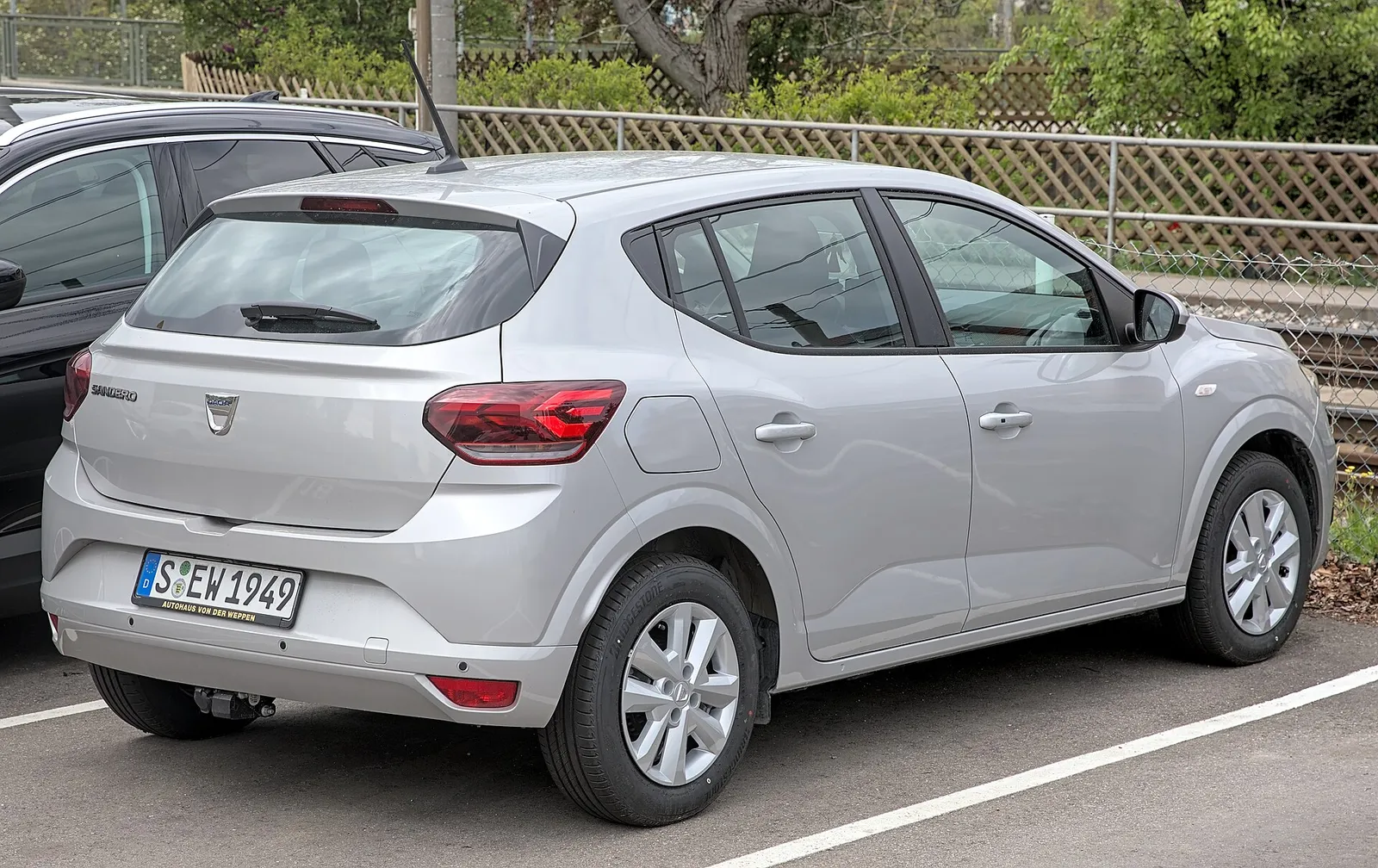
Dacia: Is a Budget Car Less Reliable? What the Roadworthiness Test Shows
Sandero, Duster, Logan... What does France's official UTAC-OTC data say about Dacia? Retest rates by model, comparison and recalls.
16 October 2026 · 6 min read
Barometers & Studies
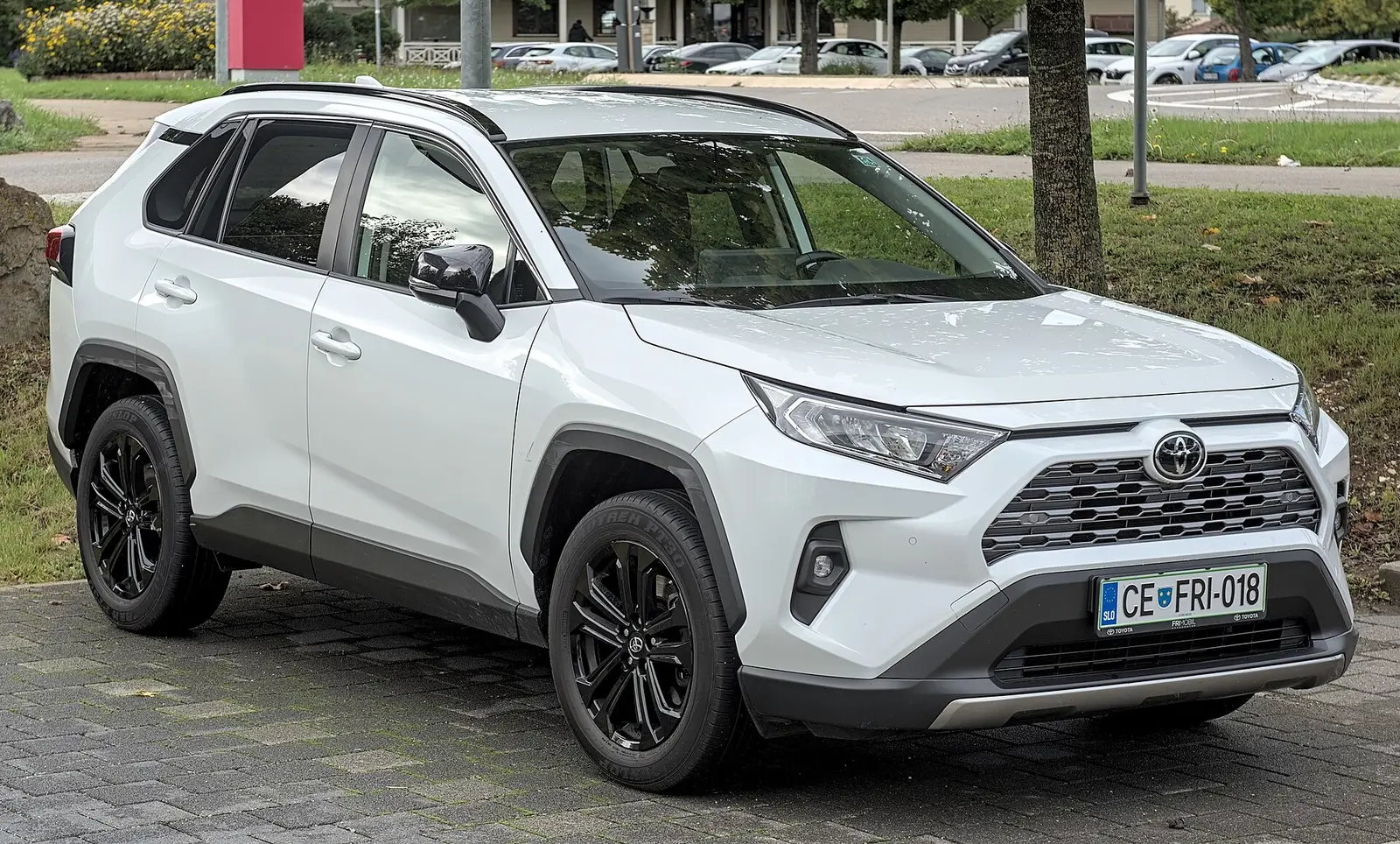
Toyota: Does Its Reliability Reputation Hold Up at the Roadworthiness Test?
What does France's official UTAC-OTC data say about Toyota? Retest rates by model, comparison with other brands, and recalls.
10 October 2026 · 6 min read
Barometers & Studies
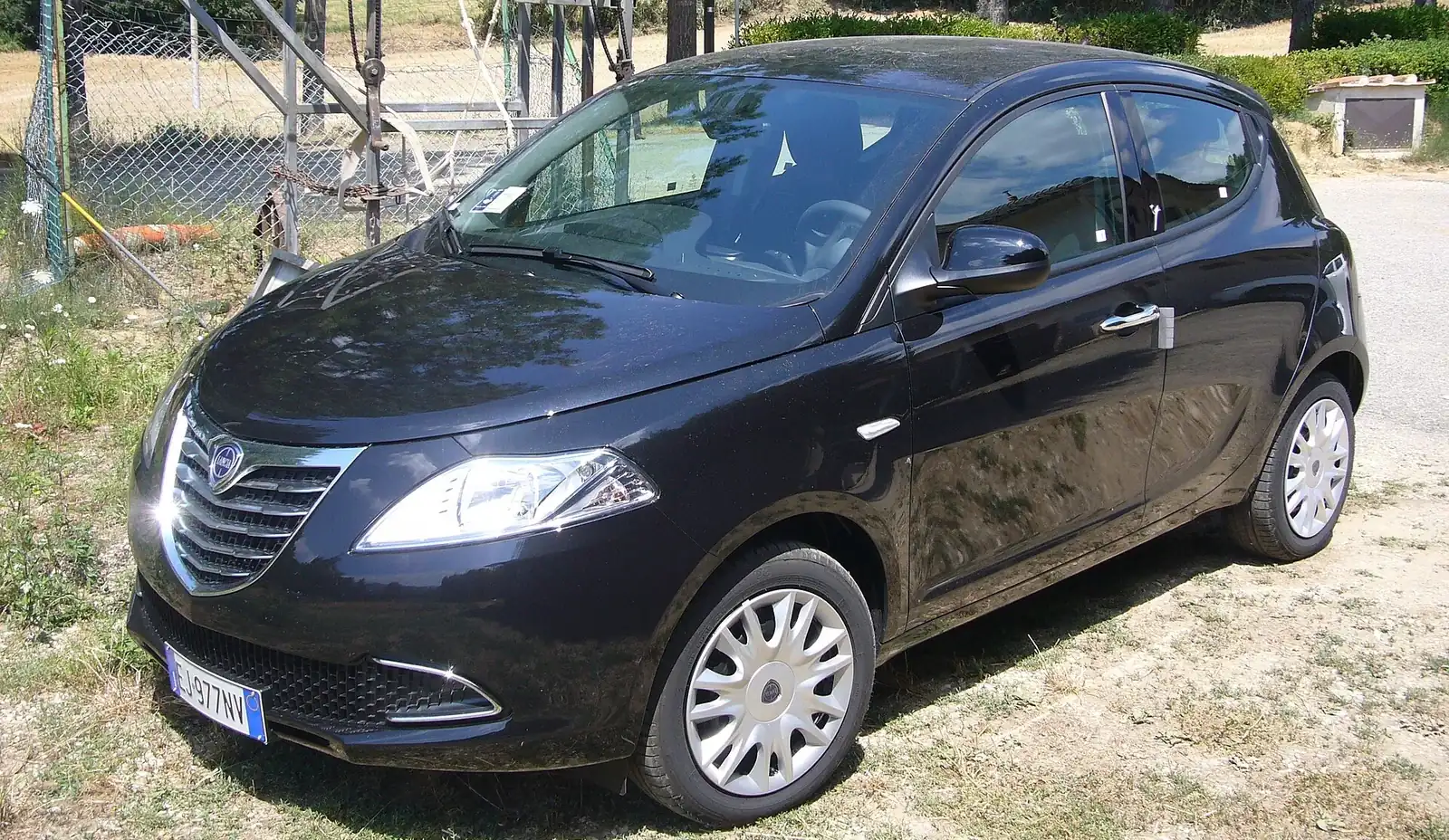
Lancia: What Do the APK and Roadworthiness Test Data Show?
A rare sight in France these days, Lancia is still on the road in the Netherlands. APK pass rates and French data, model by model.
4 October 2026 · 4 min read