Barometers & Studies
FRAlfa Romeo: Does the Bad Reputation Hold Up at the Roadworthiness Test?
Published 19 November 2026 · 6 min read
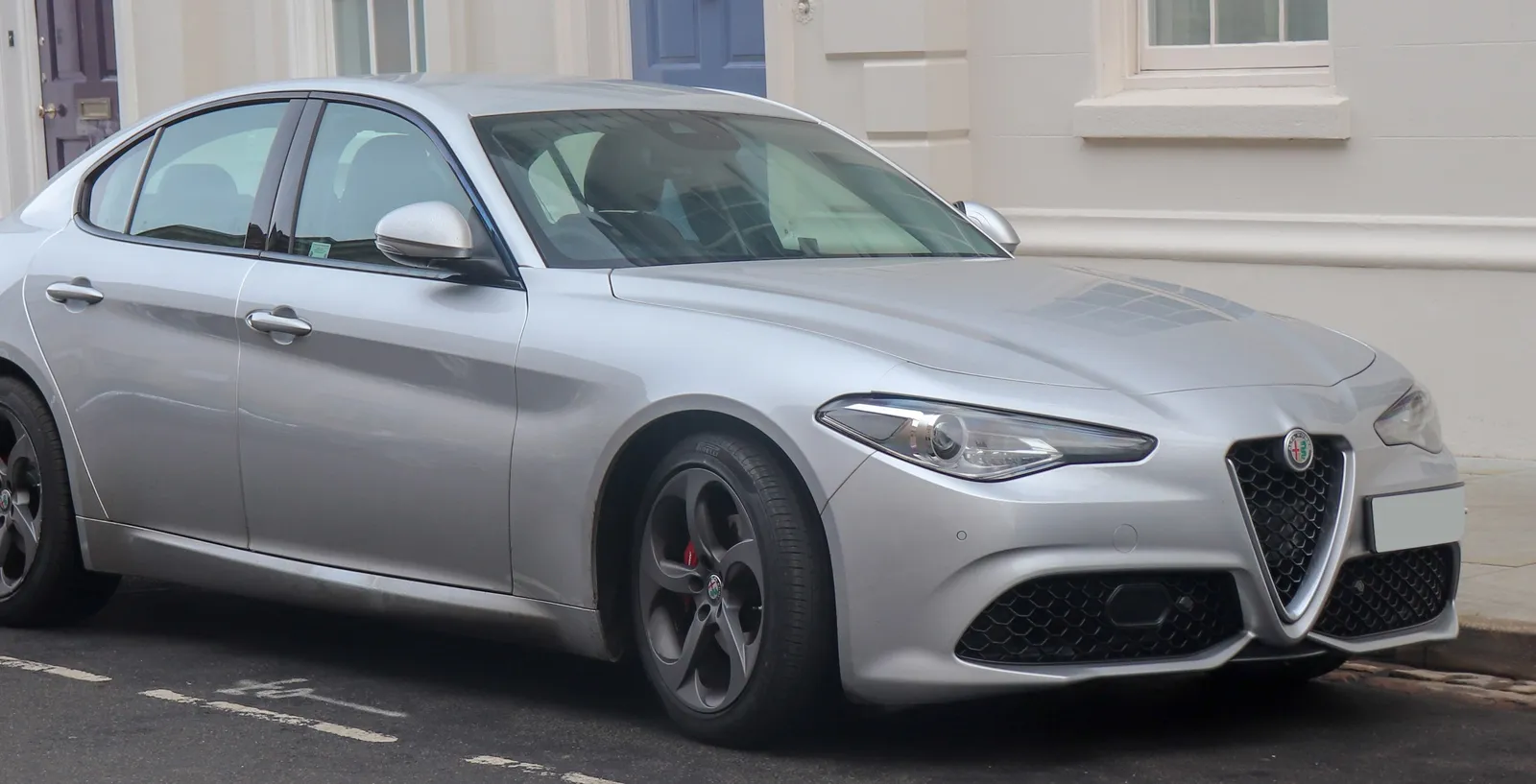
Alfa Romeo has long had a reputation for cars that are beautiful but unreliable. For anyone weighing up a used MiTo, Giulietta, 147, 159 or Giulia, that is the first question that comes to mind. Rather than owner reviews, we looked at the official UTAC-OTC data from France’s roadworthiness test (contrôle technique), model by model, across the 6 Alfa Romeo families tracked on this site.
Alfa Romeo compared with other brands
Across the 6 Alfa Romeo families tracked (70,712 tests), the weighted average retest rate is 21.08%. That puts Alfa Romeo 23rd out of 38 brands, 2.1 points above the national reference rate (18.94%, see the 2025 barometer).
| Brand | Retest rate | Rank (/38) |
|---|---|---|
| Audi | 17.76% | 11 |
| Mercedes | 18.48% | 14 |
| BMW | 18.55% | 16 |
| Alfa Romeo | 21.08% | 23 |
| Lancia | 21.26% | 24 |
| Volkswagen | 23.44% | 28 |
| Fiat | 23.45% | 29 |
| Peugeot | 25.55% | 35 |
Alfa Romeo therefore sits mid-table: behind the German premium brands (Audi, Mercedes and BMW), but ahead of Volkswagen, Fiat and Peugeot (in French). Lancia, another Italian brand from the same historical group, has a similar rate (21.26%), but across only 2 families and 8,925 tests. The full ranking is on the rankings page (in French).
This average hides very wide gaps between models: 3 of the 6 families do better than the national rate, and 3 do worse.
The Alfa Romeos that stand out
| Model | Retest rate | National rank (/530) | Tests |
|---|---|---|---|
| MiTo | 7.16% | 67 | 17,364 |
| Giulia II | 9.61% | 110 | 4,120 |
| Giulietta III | 13.49% | 177 | 23,352 |
The two most-tested Alfa Romeo families in France both do better than the national rate. The Giulietta III, the most common (33.0% of Alfa Romeo tests), is 5.5 points below it. The MiTo does better still: at 7.16%, it ranks 67th out of 530 families. To see how it compares with its rivals, read our article on the most reliable city cars.
The Giulia II also shows a low rate, but on a small volume (4,120 tests): the result points the right way, without supporting as firm a conclusion as for the MiTo or the Giulietta.
The Alfa Romeos that do less well
| Model | Retest rate | National rank (/530) | Tests |
|---|---|---|---|
| 159 / Brera / Spider III | 42.73% | 529 | 7,843 |
| 147 / GT | 40.18% | 526 | 12,990 |
| Stelvio | 30.68% | 416 | 5,043 |
At the other end, the 147 / GT and the 159 / Brera / Spider III are among the five worst-placed of the 530 families tracked on this site. The 159 comes second to last, just ahead of the Fiat Punto II. Their retest rates are more than double the national rate. These two families account for only 29.5% of Alfa Romeo tests, but that is enough to push the brand’s average above the national rate: without them, the weighted average of the other four families would be 12.70%.
The Stelvio, the brand’s SUV, is also above the national rate (30.68%, 416th), on a small volume (5,043 tests). As with the Giulia II, we draw no firm conclusion.
Manufacturer recalls
RappelConso, the French government’s product recall database, lists 3 separate notices concerning the Alfa Romeo families tracked on this site. All were published on 15 June 2022, and all cover both the Giulia II and the Stelvio:
- rear brake discs that may have a material defect (risk of injury);
- the integrated braking system (IBS) module, a fault in which can cause the ABS to fail (risk of injury);
- a fuel pressure and temperature sensor with a manufacturing defect (risk of fire).
Counted using the method of our recall ranking by brand (a recall counts once for each family it affects), that makes 6 cumulative recalls, or 10 recalls per 10 models tracked. That is low compared with Fiat (14.4), Volkswagen (64.4), BMW (75.3) or Audi (84.8). No recalls are listed for the MiTo, Giulietta, 147 or 159. A recall doesn’t mean a widespread defect, and it doesn’t show up in the retest rate.
The view from abroad
Alfa Romeo isn’t included in the British MOT data used on this site, and its models aren’t part of our cross-country matching table. We therefore refer to the Dutch models by their own names, without formally linking them to the French families. Measurement methods vary from country to country (see comparing countries’ data).
In the Netherlands (APK), 21 Alfa Romeo models are tracked, across 52,481 tests. The brand’s average failure rate is 43.8%, which ranks it 64th out of 84 brands, behind Volkswagen (39.9%, 42nd), BMW (35.5%, 35th) and Audi (34.4%, 33rd), but ahead of Fiat (45.6%, 74th). This data is aggregated across all generations, and the result is inferred from the defects recorded.
The value of the Dutch data is that each model can be compared with the average for its age band:
| Model (APK) | Main age band | Failure rate | Age-band average | Tests |
|---|---|---|---|---|
| Giulietta | 11-15 years | 38.59% | 39.72% | 15,997 |
| MiTo | 11-15 years | 44.24% | 39.72% | 15,891 |
| 147 | 15 years and over | 56.11% | 47.50% | 3,835 |
| Giulia | 5-8 years | 26.97% | 26.51% | 3,121 |
| 159 Sportwagon | 15 years and over | 54.57% | 47.50% | 2,644 |
| Stelvio | 5-8 years | 24.44% | 26.51% | 2,338 |
The French picture partly carries over: the 147 and the 159 Sportwagon are clearly above the average for their age band, the Giulietta slightly below it, and the Giulia in line with it. Two models diverge: the MiTo, very well placed in France, is 4.5 points above its age band in the Netherlands, while the Stelvio, above the national rate in France, does slightly better than average there. See the Alfa Romeo Netherlands page (in French).
How much does a used Alfa Romeo cost?
| Model | Reference new price | Estimated used price |
|---|---|---|
| MiTo | €20,800 | ~€5,266 at 10 years, ~€3,120 at 15 years |
| Giulietta III | €33,800 | ~€14,270 at 6 years, ~€8,558 at 10 years |
| Giulia II | €45,500 | ~€28,188 at 3 years, ~€19,209 at 6 years |
This is an indicative estimate, not a valuation: it applies a typical depreciation curve by segment to a reference new price. No Alfa Romeo model has its own new price in our data: these three families use their segment’s default price, raised because the brand is classed as premium, with the premium segment’s depreciation curve. Actual prices may therefore differ considerably. To compare the models within your budget, see the budget simulator (in French) and our guide to which reliable used car to buy by budget.
What these figures don’t tell you
The retest rate measures the safety points that are inspected, not overall mechanical reliability (engine, gearbox, electronics), which accounts for much of the brand’s reputation: a fault that doesn’t affect an inspected point doesn’t show up in these figures. The UTAC data doesn’t give the age of the vehicles tested either: for France, we can’t say how much of the 147’s and 159’s poor result comes down to the age of these models. In the Netherlands, where age is known, both models remain above the average for their age band. Finally, the Giulia II, the Stelvio and the 159 each rest on fewer than 10,000 tests, which limits fine-grained comparisons. See the methodology (in French).
Our take
At France’s roadworthiness test, Alfa Romeo’s reputation is only partly borne out. The brand is 23rd out of 38, 2.1 points above the national rate: worse than the German premium brands, better than Fiat, Volkswagen or Peugeot. That average result comes mainly from two older families, the 147 and the 159, which are among the worst placed of the 530 tracked, and whose poor result is also seen in the Netherlands at equal age. By contrast, the two most-tested Alfa Romeos in France, the Giulietta III and the MiTo, do clearly better than the national average, and the Giulia II points the same way on a smaller volume. For a buyer, the model matters far more than the badge. The model-by-model detail, including running costs, is on the Alfa Romeo brand page (in French).
Data sources: UTAC-OTC (French roadworthiness test, 2025), RappelConso (data.gouv.fr), RDW (Netherlands, CC0 licence). Full methodology on the methodology page (in French).
— Also worth reading
Barometers & Studies
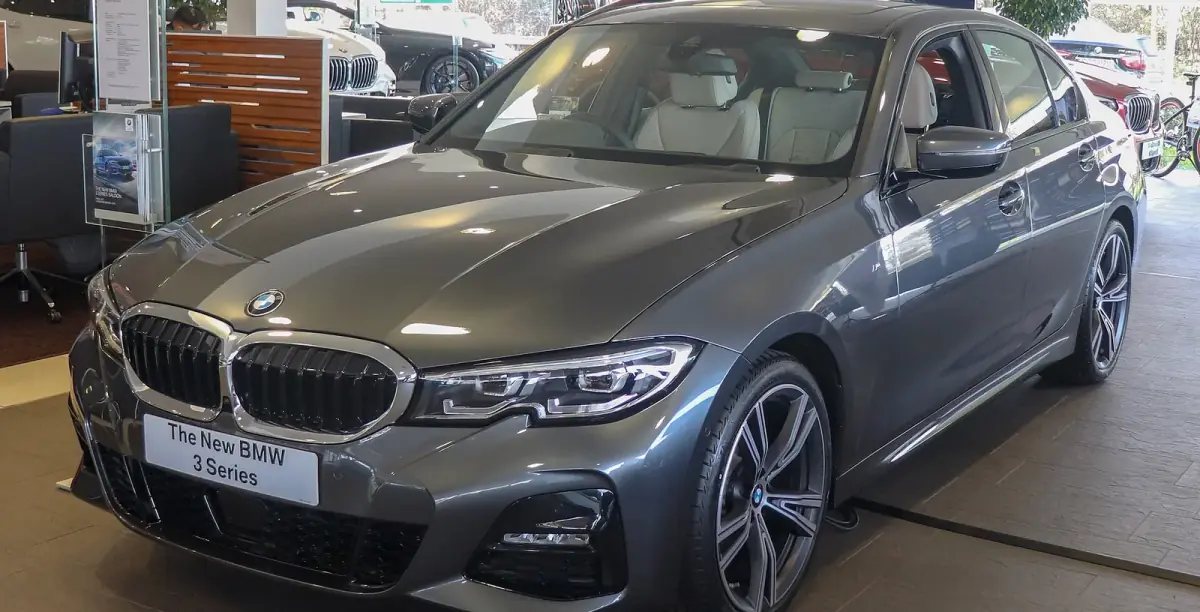
BMW, Mercedes, Audi: Are Premium Cars More Reliable at the Roadworthiness Test?
Do Germany's premium brands do better than mainstream makes? Retest rates, national ranking, recalls and running costs, based on official UTAC-OTC data.
24 October 2026 · 6 min read
Barometers & Studies
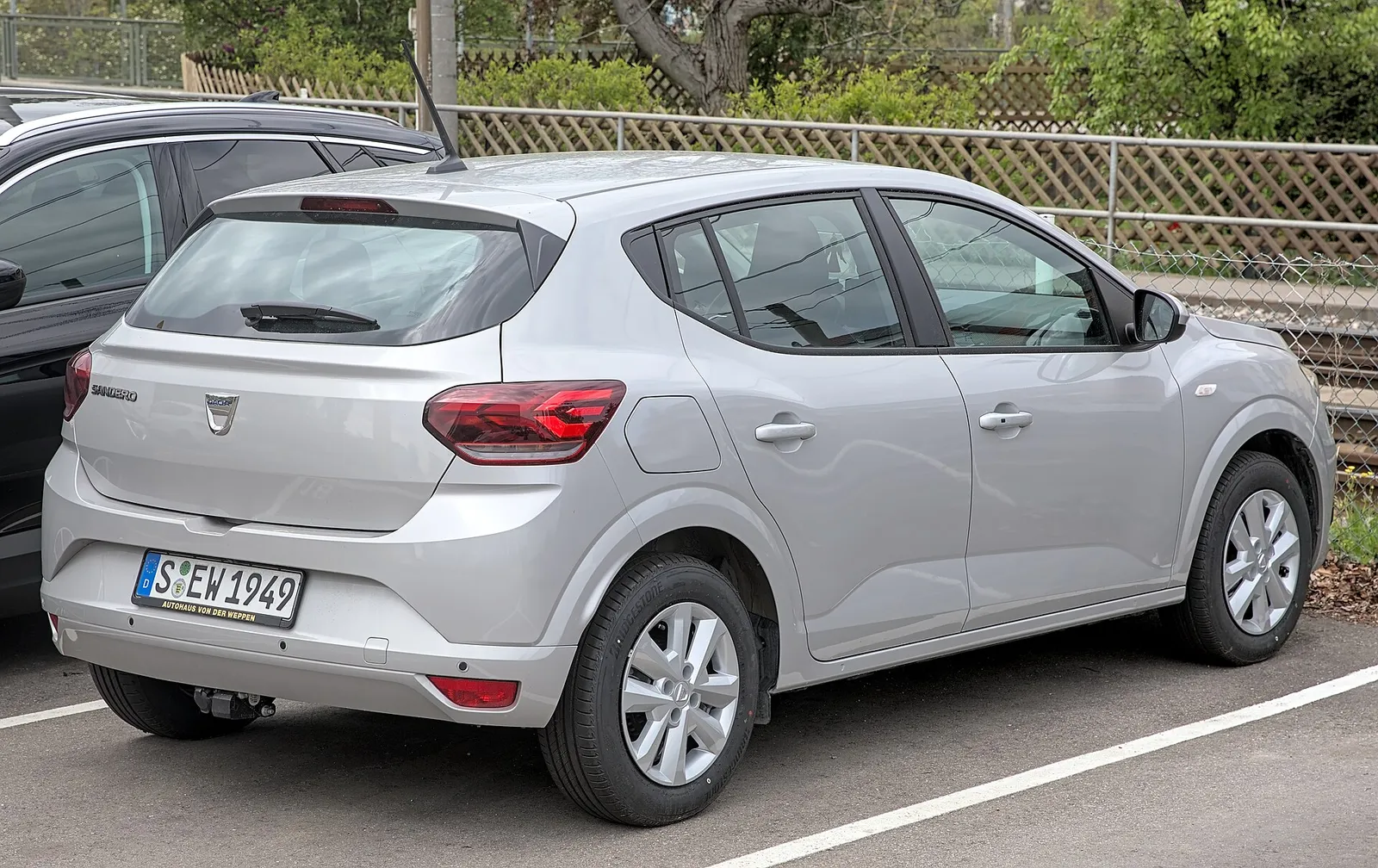
Dacia: Is a Budget Car Less Reliable? What the Roadworthiness Test Shows
Sandero, Duster, Logan... What does France's official UTAC-OTC data say about Dacia? Retest rates by model, comparison and recalls.
16 October 2026 · 6 min read
Barometers & Studies
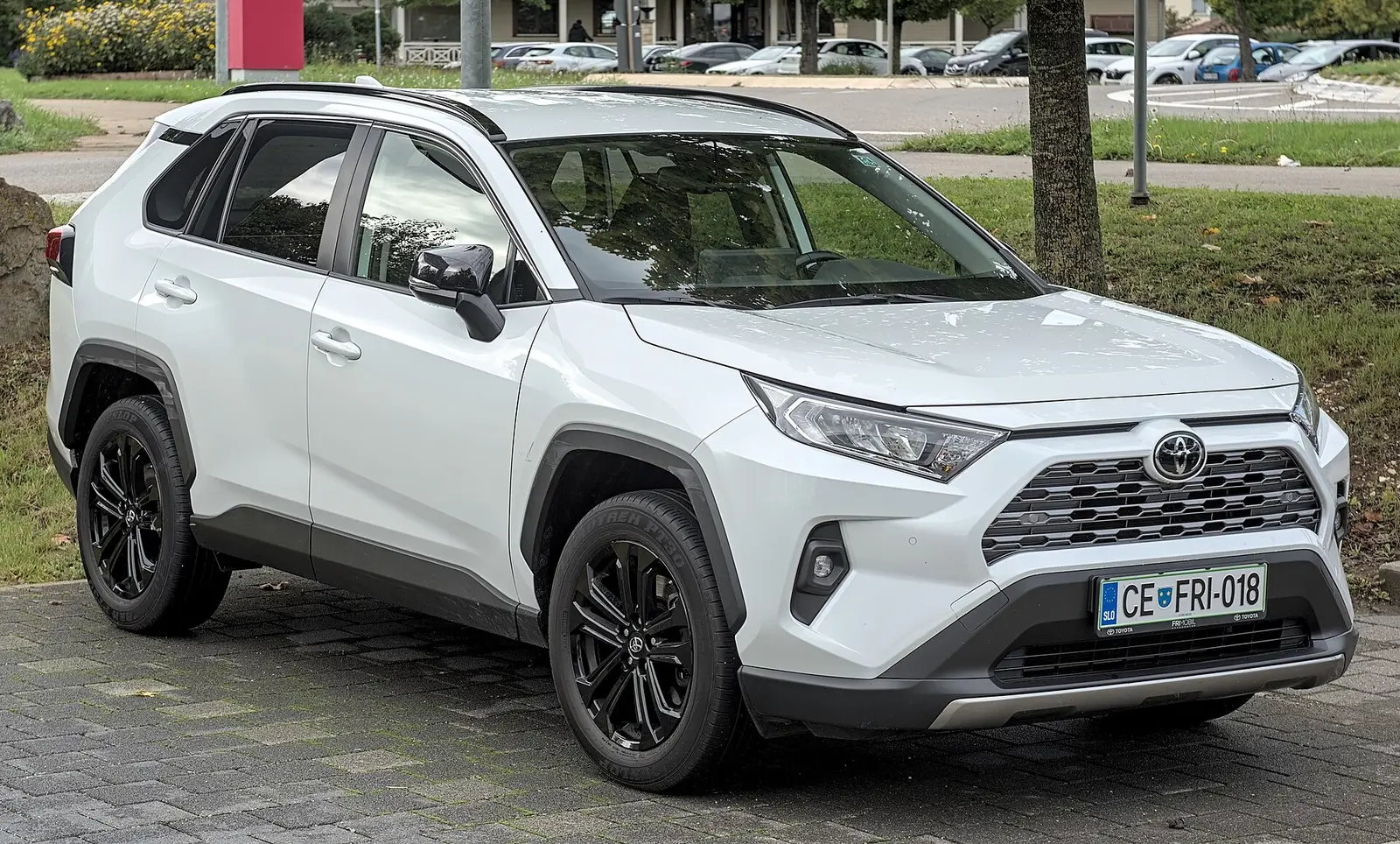
Toyota: Does Its Reliability Reputation Hold Up at the Roadworthiness Test?
What does France's official UTAC-OTC data say about Toyota? Retest rates by model, comparison with other brands, and recalls.
10 October 2026 · 6 min read