Barometers & Studies
FRCity Car, Compact or SUV: Which Is Most Reliable in 2025?
Published 25 August 2026 · 6 min read
“Which city car is the most reliable?” is one of the most common questions before buying a car — and one of the least well documented: most rankings online rely on undisclosed proprietary indices or on declarative satisfaction surveys (what surveyed owners say they feel), not on an official measurement. Here’s what the real French roadworthiness test data shows, segment by segment, backed by retest rates and inspection volumes.
City cars
18 models tracked in this segment, for an average rate of 18%.
- Dacia Spring — 2.86% (7,995 inspections)
- Toyota Yaris IV — 4.01% (31,145 inspections)
- Renault Zoe — 7.5% (71,297 inspections)
- Dacia Sandero III — 11.68% (64,751 inspections)
- Dacia Sandero II — 11.68% (232,921 inspections), tied
Worth noting: the podium is occupied by two electric city cars (Dacia Spring, Renault Zoe), whose lack of a combustion engine mechanically limits certain checked points. The Dacia Spring, in first place, rests on a notably smaller inspection volume (7,995) than the rest of the ranking — a real and significant sample, but one to interpret with that caveat in mind.
Compacts
Only 10 models tracked in this segment — the smallest of the four —, for an average rate of 22.45%.
- Volkswagen Golf VIII — 10.25% (23,215 inspections)
- Citroën C4 III — 17.14% (22,444 inspections)
- Ford Focus IV — 17.26% (17,693 inspections), tied
- Ford Focus III — 17.26% (34,268 inspections)
- Renault Mégane IV — 23.51% (143,631 inspections)
This is the segment where methodological caution matters most: with only 10 models tracked in total, and inspection volumes for the top three (17,000 to 34,000) below the segment average, this ranking remains statistically solid but less robust than the city car or saloon/SUV rankings.
Saloons / SUVs
23 models tracked, for an average rate of 17% — the most reliable segment on average among the four.
- Volkswagen T-Roc I — 4.26% (46,403 inspections)
- Hyundai Tucson IV — 5.16% (14,760 inspections)
- Renault Captur II — 6.39% (68,045 inspections)
- Peugeot 3008 II — 7.02% (194,840 inspections)
- Dacia Duster II — 7.47% (107,256 inspections)
The Hyundai Tucson IV, second in the ranking, rests on a notably smaller inspection volume (14,760) than its podium neighbours — a more recent model, and so understandably less represented at this stage in the roadworthiness data.
Premium
Only 9 models tracked — the smallest segment both by number of vehicles and by cumulative volume (322,417 inspections in total) —, for an average rate of 14.17%, the lowest of the four segments.
- BMW Series 3 VII — 6.19% (10,854 inspections)
- Audi A4 V — 8.59% (20,599 inspections)
- Audi A3 III — 10.64% (72,875 inspections)
- Mercedes A-Class III — 12.08% (47,110 inspections)
- Mercedes A-Class IV — 12.08% (39,499 inspections), tied
With only 9 premium models tracked, this top 5 represents more than half of the whole segment — good average reliability, but a narrower comparison base than the other segments. The BMW Series 3 VII, in first place, rests on the smallest inspection volume (10,854) in this entire ranking.
An important caveat about this ranking
The retest rate measures compliance with the checked safety points (braking, suspension & steering, emissions, lighting), not a vehicle’s overall mechanical reliability (internal engine wear, gearbox, clutch) — see the methodology page (in French) for detail. It’s a solid statistical indicator, measured across tens of thousands of real inspections per model, unlike satisfaction surveys which reflect declarative sentiment rather than a technical measurement.
Explore the full ranking
The detail for all 530 tracked models, filterable by brand and by category (in French), is available on the rankings page (in French).
Source data: UTAC-OTC (French roadworthiness test, 2025). Full methodology on the methodology page (in French).
— Also worth reading
Barometers & Studies
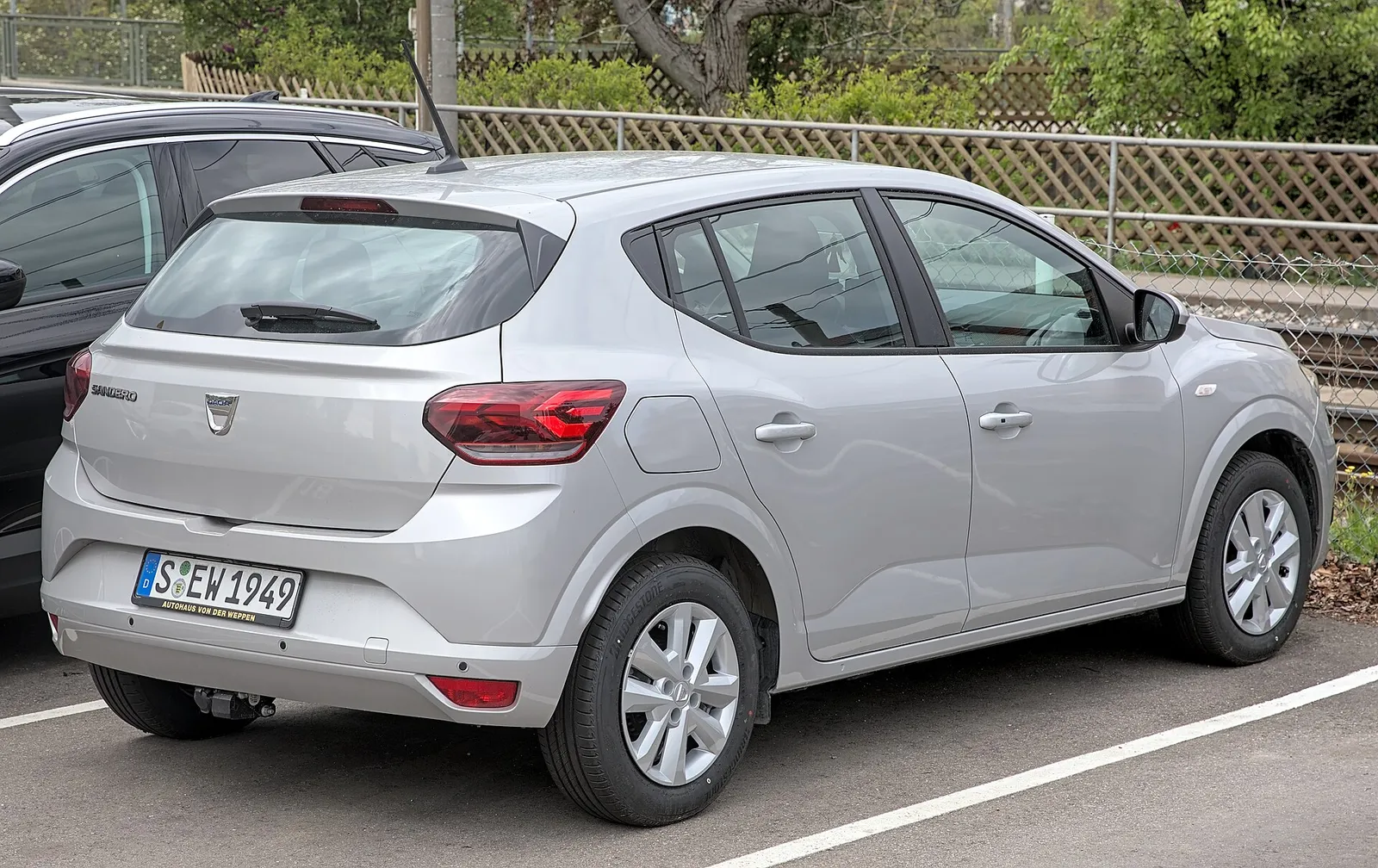
Dacia: Is a Budget Car Less Reliable? What the Roadworthiness Test Shows
Sandero, Duster, Logan... What does France's official UTAC-OTC data say about Dacia? Retest rates by model, comparison and recalls.
16 October 2026 · 6 min read
Barometers & Studies
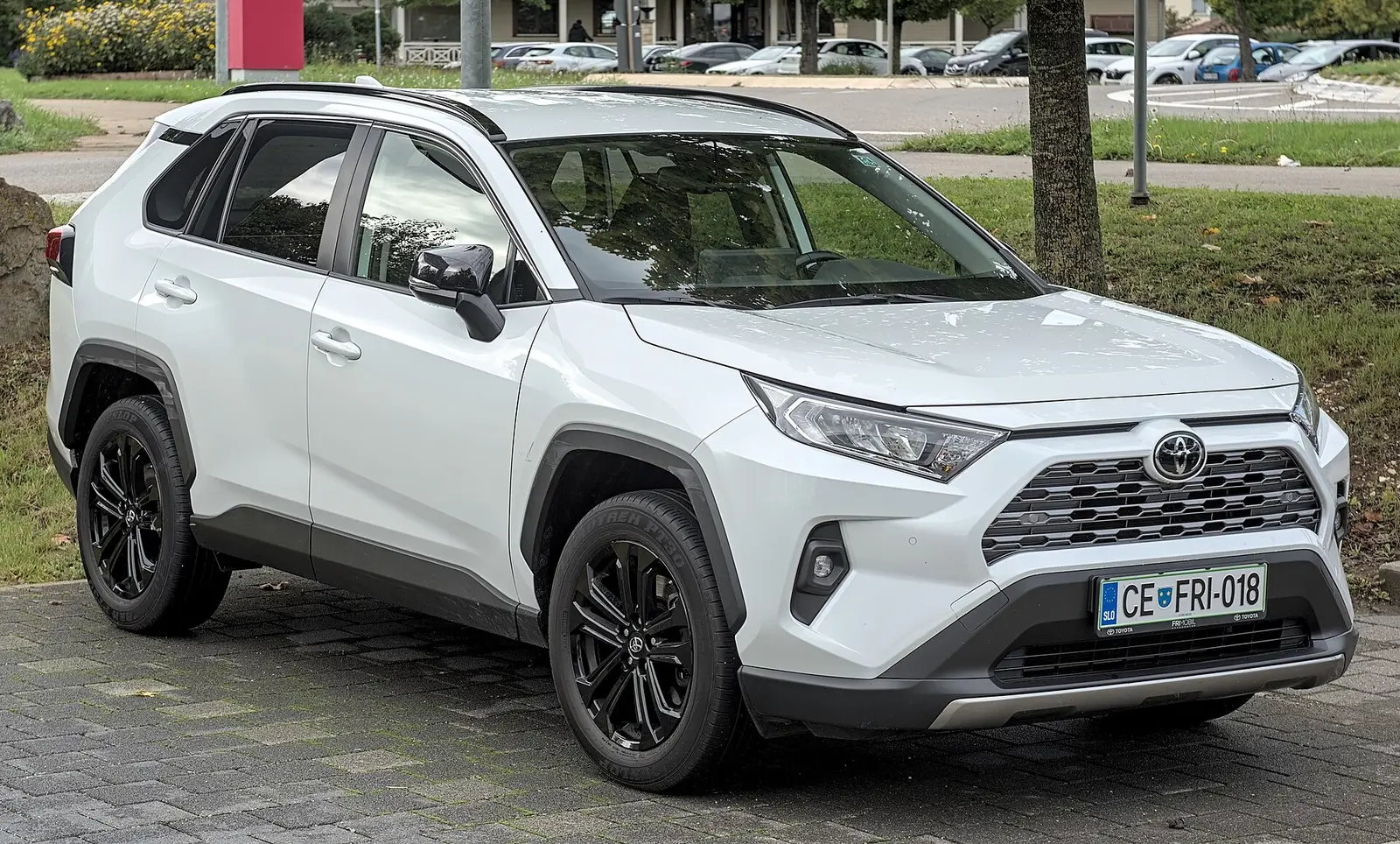
Toyota: Does Its Reliability Reputation Hold Up at the Roadworthiness Test?
What does France's official UTAC-OTC data say about Toyota? Retest rates by model, comparison with other brands, and recalls.
10 October 2026 · 6 min read
Barometers & Studies
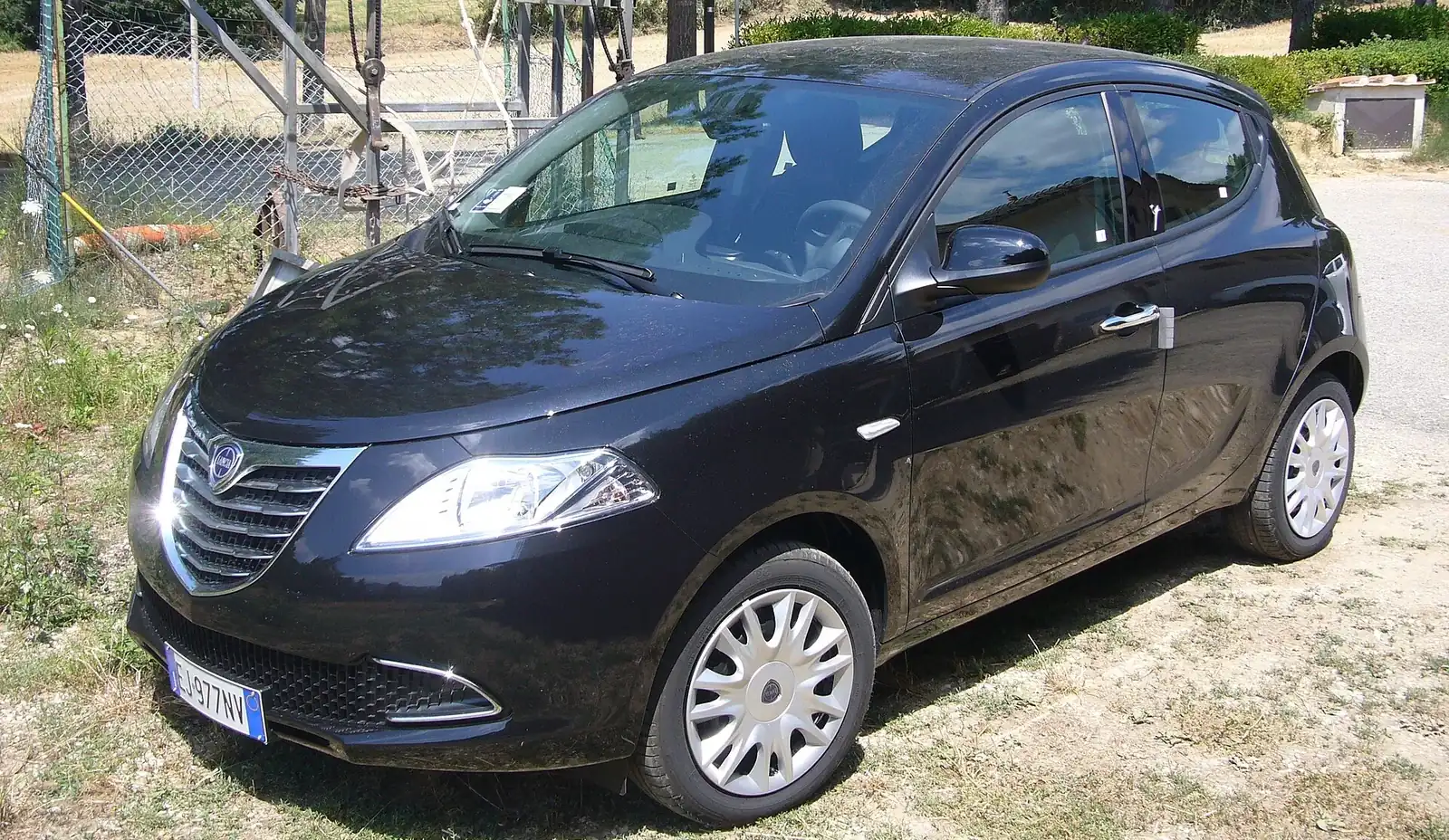
Lancia: What Do the APK and Roadworthiness Test Data Show?
A rare sight in France these days, Lancia is still on the road in the Netherlands. APK pass rates and French data, model by model.
4 October 2026 · 4 min read